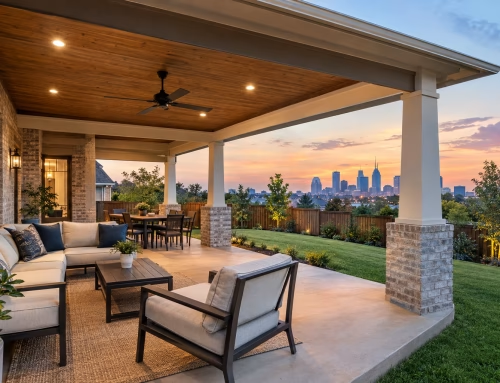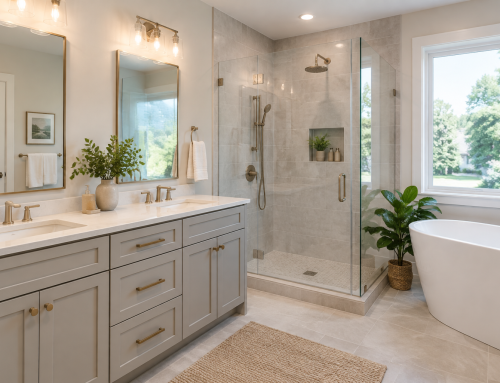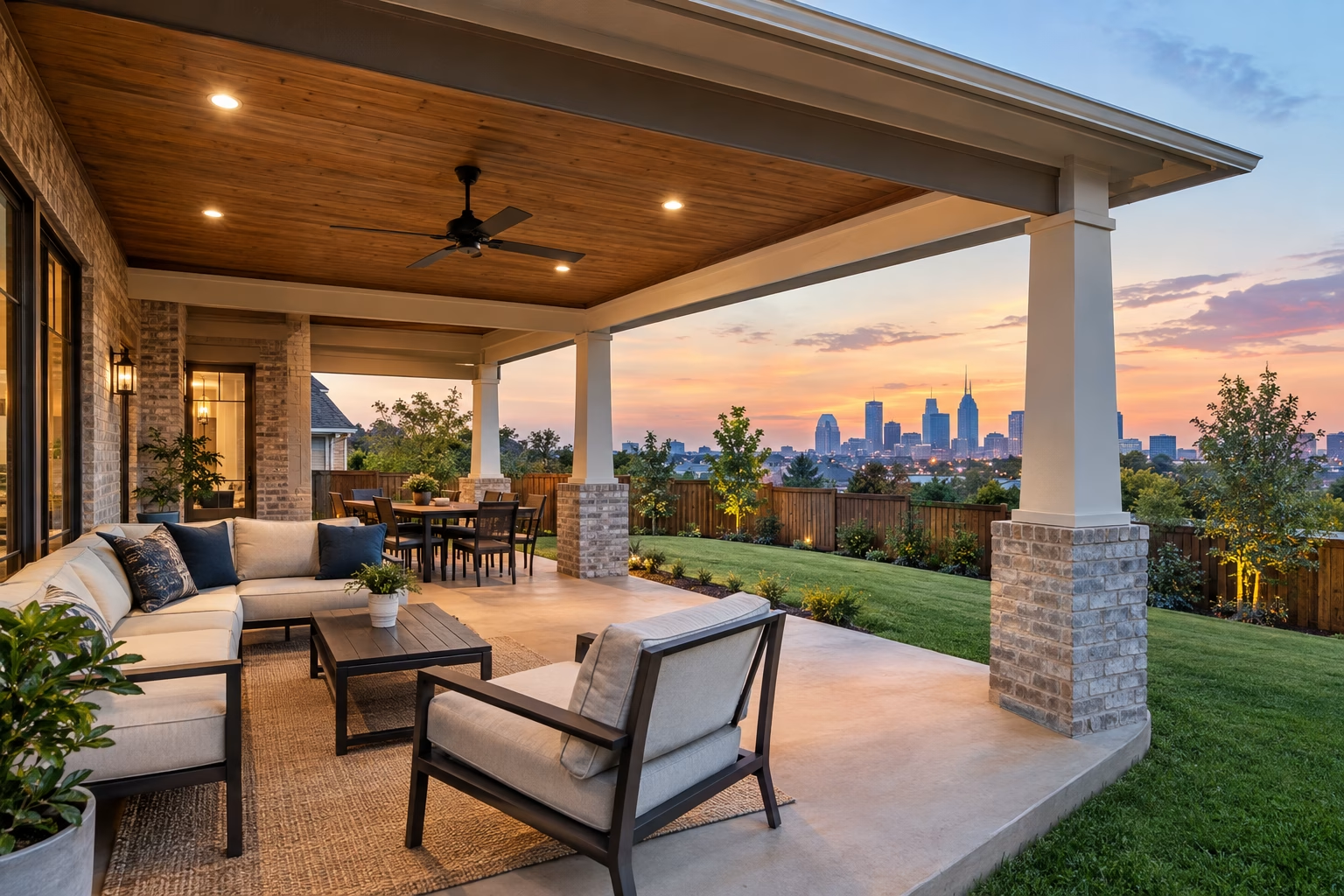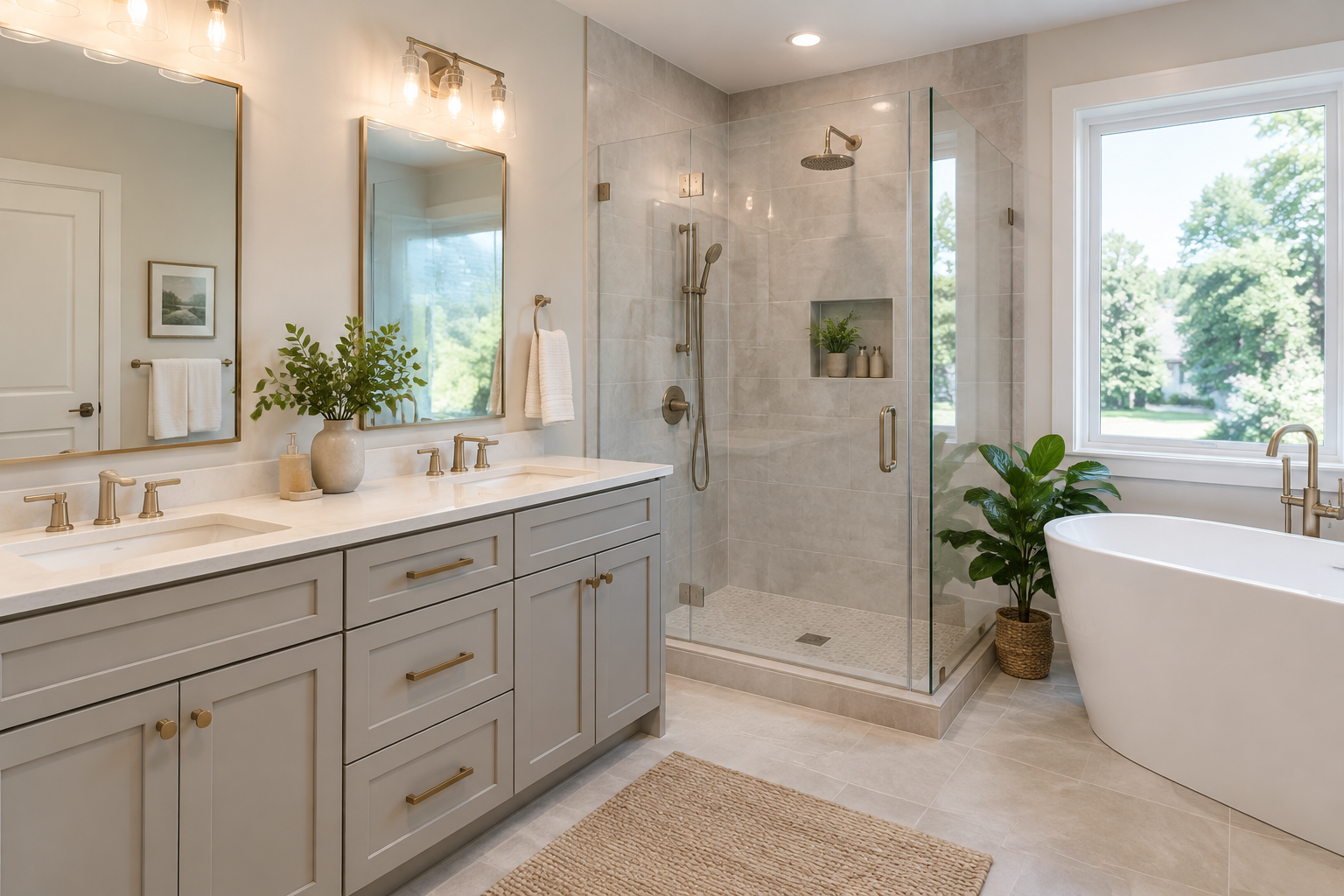
A whole home renovation can make an older house feel more comfortable, functional, and suited to the way you live today. In Nashville, where homes range from historic properties to newer suburban houses, a successful project starts with careful planning—not just a list of finishes. Understanding your home’s needs, local requirements, budget, and timeline can help you make informed decisions from the first conversation through the final walkthrough.
What Does a Whole Home Renovation Include?
A whole home renovation updates several areas of a house as part of a coordinated project. The scope might include a kitchen, bathrooms, flooring, lighting, paint, storage, and interior layout. For some homes, it also involves larger changes such as replacing windows, upgrading electrical or plumbing systems, improving insulation, or reworking walls.
The right scope depends on the condition of the property and your goals. You may want to modernize finishes while keeping the existing layout, or address long-standing issues and make more substantial changes. Defining what “whole home” means for your household helps your renovation team develop a realistic plan.
Start With Goals, Priorities, and a Budget
Before selecting materials, consider how you use your home now and what you would like to change. Is the kitchen too small for everyday cooking? Do you need a better connection between the living and dining areas? Are there rooms that need more storage, improved accessibility, or better lighting? A clear list of priorities helps guide design decisions when trade-offs arise.
Next, establish a budget range with room for unexpected conditions. Renovation work can reveal hidden problems behind walls or beneath floors, especially in older homes. Your contractor or design-build team can help you understand which costs are included in the proposed scope and where a contingency may be appropriate. Ask for clear documentation covering allowances, exclusions, payment milestones, and how changes are approved.
Separate Must-Haves From Nice-to-Haves
Organize your ideas into essentials and optional upgrades. Safety repairs, failing systems, water management, and structural concerns may need attention before cosmetic improvements. Once those priorities are understood, you can decide how much of the remaining budget to devote to premium finishes, custom cabinetry, or added features.
Evaluate the Home Before Finalizing the Design
A design should work with the home’s actual condition, not assumptions about what is behind the drywall. Before committing to a final scope, discuss an evaluation of the structure and major systems. Depending on the house, this may include checking the roof, foundation, plumbing, electrical service, heating and cooling, ventilation, windows, and signs of moisture.
This step is especially useful when buying or renovating an older Nashville property. A home’s age, prior alterations, and maintenance history can all affect what is practical. Identifying concerns early gives your team a better chance to plan the work, coordinate specialists, and avoid making finish selections before the underlying details are resolved.
Plan for Nashville Permits and Local Considerations
Renovation requirements vary according to the project, property, and location. Work that changes a building’s structure, systems, or use may require permits or inspections. If your home is in a historic district or subject to other neighborhood or property restrictions, exterior changes may involve additional review. Confirm applicable requirements with the relevant local authorities and your project professional before work begins.
Nashville’s changing weather also makes moisture management and durability important design considerations. Discuss drainage, roof and window details, ventilation, and appropriate materials for your home. Thoughtful planning can help protect the renovation and improve everyday comfort through humid summers and seasonal temperature shifts.
Choose a Qualified Renovation Team
A whole home renovation involves many connected decisions, so communication and coordination matter as much as craftsmanship. Look for a contractor or design-build firm with experience handling projects of similar scope. Ask for references, examples of completed work, and details about who will manage the schedule, subcontractors, and day-to-day questions.
Before signing, review the written agreement carefully. It should describe the scope, pricing approach, schedule expectations, insurance, responsibilities, and process for changes. Ask how progress updates are shared and who is your main point of contact. A dependable working relationship makes it easier to address questions promptly and keep decisions moving.
Build a Realistic Timeline
Renovation timelines depend on the size and complexity of the project, design development, product availability, approvals, and conditions discovered during construction. Planning and selections often take longer than homeowners expect, so begin discussions well before your preferred construction start date. Confirm lead times for important items such as windows, appliances, cabinetry, and specialty materials.
Also consider how you will live during the work. If the kitchen or bathrooms will be unavailable, you may need a temporary setup or another place to stay. Your contractor can explain which areas will be affected at each stage, but a flexible household plan is helpful when work is underway.
Make Selections Early
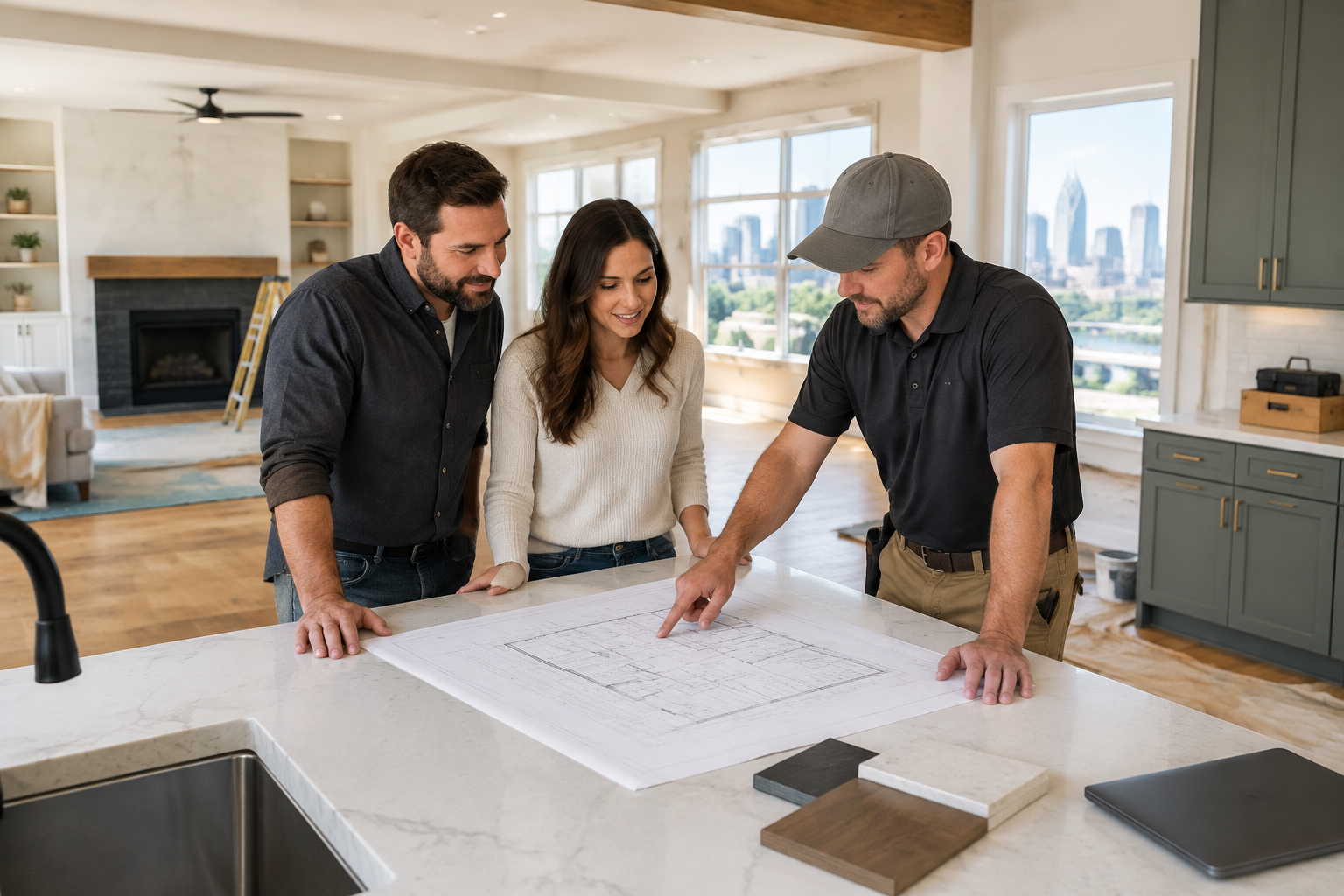
Late decisions can disrupt ordering and scheduling. Work with your design team to select major materials and fixtures early, while leaving time to review samples and confirm dimensions. Keep a record of approved colors, products, and finishes so everyone is working from the same information.
Balance Style With Long-Term Function
A cohesive home does not require every room to look identical. Instead, use a consistent palette, repeat a few materials, and consider how flooring, trim, lighting, and hardware relate from room to room. Durable surfaces and well-planned storage can make a beautiful renovation easier to maintain.
Think beyond appearance, too. Good lighting combines general illumination with task and accent lighting. A functional kitchen layout supports the way you cook, while bathroom details should account for ventilation, storage, and ease of cleaning. If you plan to stay in the home for years, consider features that improve accessibility and comfort without sacrificing the character you value.
Conclusion
A whole home renovation in Nashville is an opportunity to make your house work better while respecting its character and location. Set clear priorities, evaluate the home, understand local requirements, and choose a team that communicates well. With thoughtful planning and realistic expectations, you can move through the process with greater confidence and create a home that feels right for the way you live.