
Planning a renovation, addition, or commercial build in Nashville? A general contractor can coordinate the people, materials, schedules, and details that bring a project together. Whether you are updating a home in East Nashville or improving a business space downtown, understanding how general contracting services work can help you make informed decisions from the first conversation to the final walkthrough.
What General Contracting Services Include
A general contractor oversees the construction process and serves as a central point of contact for the owner. The scope varies by project, but often includes early planning, hiring and coordinating trades, ordering materials, monitoring progress, and addressing issues that come up on site.
Residential construction and remodeling
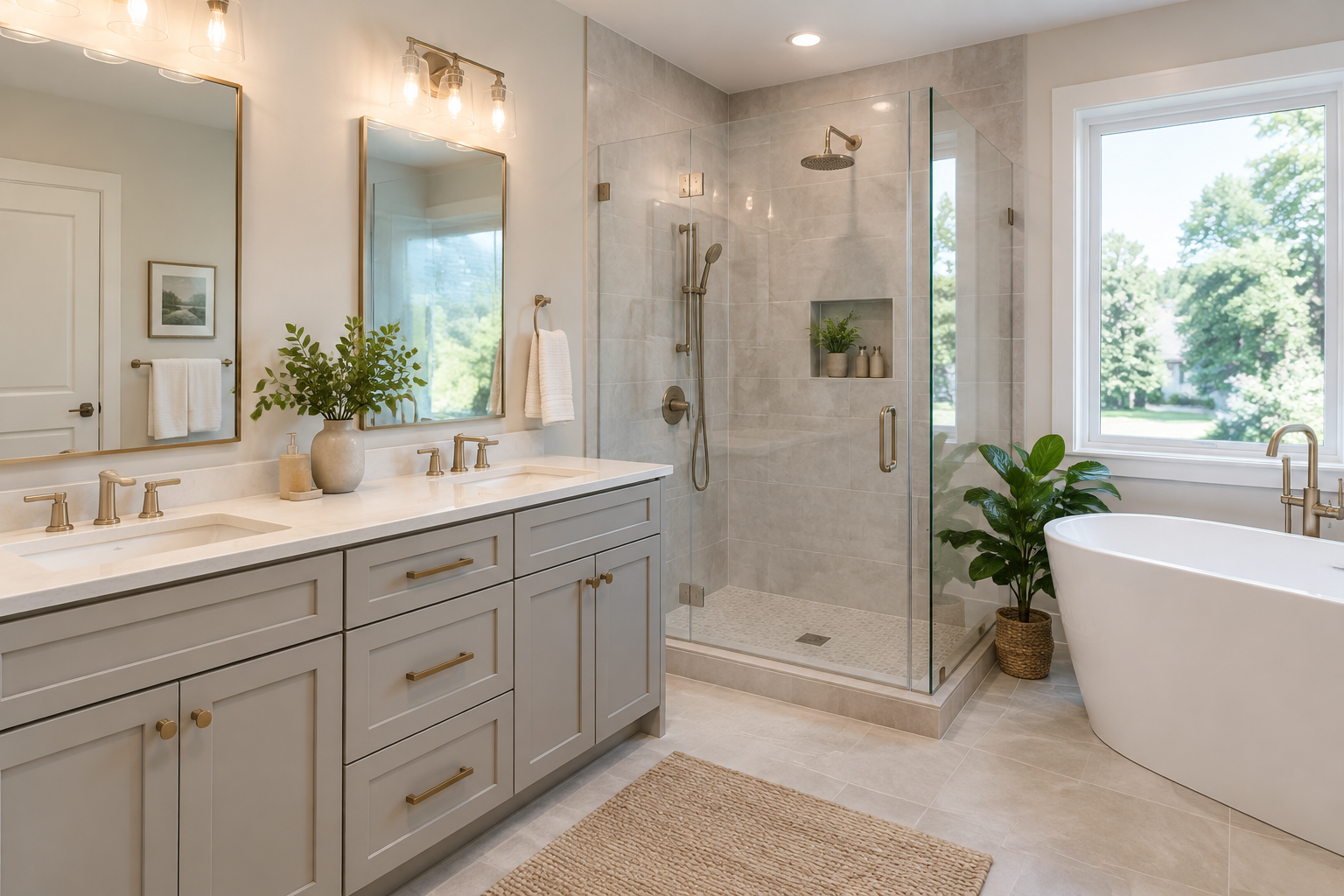
For homeowners, general contracting services may cover kitchen and bathroom renovations, whole-home updates, room additions, basement improvements, exterior repairs, and new construction. A contractor can help translate your goals into a workable scope, coordinate specialists such as electricians and plumbers, and keep the work moving in the right order.
Commercial projects
Businesses may hire a general contractor for tenant improvements, office renovations, retail build-outs, repairs, or new commercial construction. These projects can involve additional planning around accessibility, building systems, inspections, and the needs of employees or customers. Discuss operating hours and any required phasing before work begins.
Why Hire a Nashville General Contractor?
Construction involves many connected decisions. A change to a layout, for example, can affect structural work, electrical plans, plumbing, finishes, and the project schedule. A general contractor helps coordinate those moving parts and gives you a consistent contact for questions and updates.
- Trade coordination: The contractor schedules subcontractors and helps ensure that work happens in a sensible sequence.
- Project oversight: Regular site supervision can help identify concerns early and keep the team aligned with the agreed scope.
- Budget tracking: A clear estimate and process for approving changes make it easier to understand project costs.
- Material and schedule management: Planning purchases and deliveries can reduce avoidable delays, though supply or site conditions may still affect timing.
- Communication: One point of contact can make it simpler to share decisions, review progress, and resolve questions.
Hiring a contractor does not remove the need for owner decisions. It does, however, provide a structure for making those decisions and coordinating the work that follows.
How the General Contracting Process Works
Every project is different, but most follow a series of familiar stages. Asking what to expect at each stage can help you plan and avoid surprises.
1. Initial consultation and project scope
Start by explaining what you want to accomplish, your preferred timing, and the budget range you have in mind. The contractor may visit the property, ask about priorities, and discuss practical constraints. A written scope should describe the work in enough detail to support pricing and planning.
2. Estimates, plans, and agreements
Depending on the project, you may need drawings, engineering input, finish selections, or other planning before construction starts. Review the estimate and contract carefully. Look for details about included work, allowances, payment milestones, insurance, change orders, and how delays or unexpected conditions will be handled.
3. Permits and preparation
Some projects require permits or inspections, and requirements can depend on the type of work and the property. Ask who will determine which approvals are needed and who will coordinate them. Before demolition or construction, confirm plans for access, site protection, waste removal, and any utilities that need to be shut off or relocated.
4. Construction and communication
During construction, trades complete work according to the schedule, with inspections and owner decisions at key points. Agree on how often you will receive updates and how urgent questions should be handled. If you want to change the scope, request a written change order that explains the cost and schedule impact before authorizing the additional work.
5. Final walkthrough and closeout
At the end of the project, walk through the completed work with the contractor. Note any items that need attention and clarify how they will be addressed. Request relevant closeout documents, such as warranties, product information, or inspection records when applicable.
Choosing the Right Contractor in Nashville
The right fit depends on your project, communication preferences, and expectations as well as price. Consider speaking with more than one contractor so you can compare qualifications and understand how each would approach the work.
- Ask about experience with projects similar in size and type to yours.
- Request references and, where possible, review completed work.
- Verify applicable licensing, insurance, and other required credentials.
- Ask who will manage the job day to day and which subcontractors may be involved.
- Compare written scopes, not just the total price. A lower estimate may leave out work or rely on different assumptions.
- Notice whether the contractor listens, explains trade-offs clearly, and responds in a reliable way.
Before signing, make sure the agreement reflects your understanding of the project. Avoid relying on verbal promises for important decisions, and keep records of approvals, selections, and changes.
Budgeting and Scheduling Your Project
Project costs depend on factors such as the size and condition of the space, design complexity, materials, labor, and the amount of structural or systems work required. Existing buildings can reveal hidden issues once walls, floors, or ceilings are opened. Discuss how unforeseen conditions will be priced and approved, and consider keeping a contingency in your budget.
Schedules also depend on project scope, permitting, material availability, inspections, weather, and the coordination of trades. Ask for a realistic schedule with major milestones rather than relying on a single completion date. Making design and finish selections early can help limit avoidable delays.
Questions to Ask Before You Hire
A few direct questions can clarify expectations before work begins:
- What is included in the estimate, and what is excluded?
- Who will be my primary contact during construction?
- How will you provide progress updates?
- How are changes documented and priced?
- What is the anticipated schedule, and what could affect it?
- How will the site be protected and cleaned up?
Conclusion
General contracting services in Nashville can help make a renovation or construction project more organized, from planning and permits to trade coordination and closeout. Define your goals, compare detailed proposals, and choose a contractor who communicates clearly and sets realistic expectations. A strong working relationship is an important foundation for a smoother project.