Building a custom home is an opportunity to create a place that fits your routines, priorities, and vision for the future. In Franklin, Tennessee, the process also calls for careful attention to land, local requirements, design, and construction details. The right custom home builder in Franklin, TN, can help you bring those elements together while keeping decisions and expectations clear from the start.
What a Custom Home Builder Does
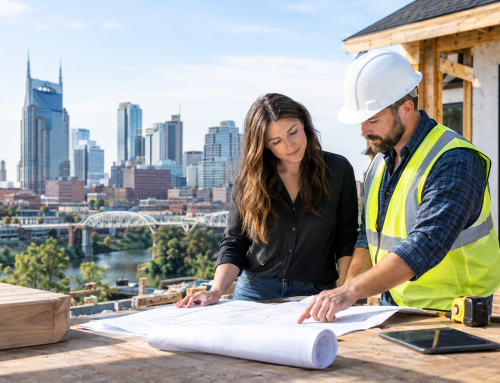
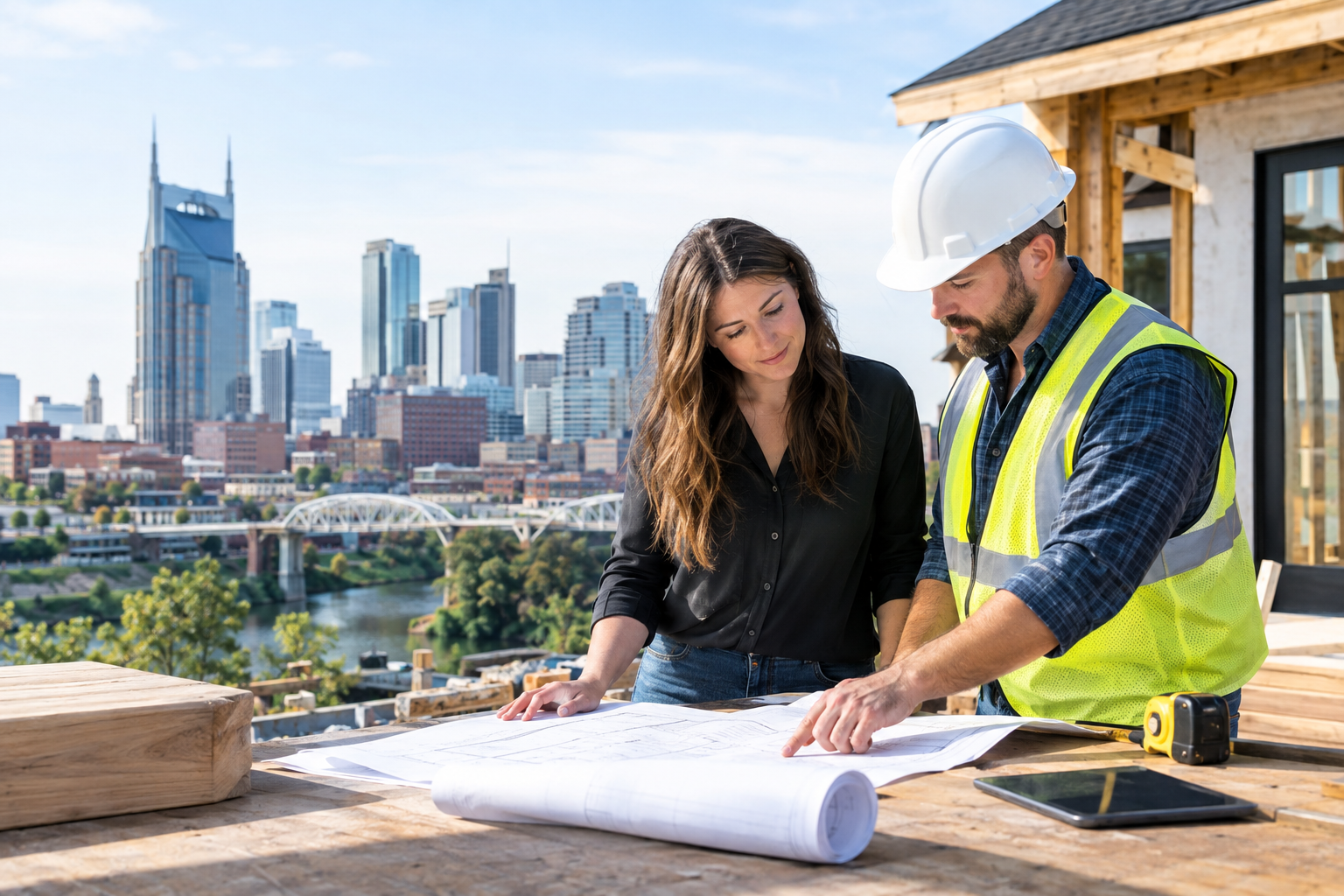
A custom home builder coordinates the many steps involved in turning a home concept into a finished residence. Depending on the builder and your agreement, that may include helping evaluate a lot, collaborating with an architect or designer, preparing a construction budget, coordinating trades, and managing the schedule and quality of work.
Custom building differs from choosing among a set of predesigned plans. You have more influence over the layout, materials, finishes, storage, and features. That flexibility can be valuable, but it also means you will make more decisions. An experienced builder should explain the choices, identify important deadlines, and help you understand how changes may affect cost or timing.
Why Local Experience Matters in Franklin
Franklin offers a mix of established neighborhoods, newer communities, and properties outside the city center. A lot’s location can shape what is practical to build, from access and utilities to drainage and site preparation. A builder familiar with the area can help you ask the right questions early and coordinate with the appropriate local professionals.
Requirements can vary depending on whether a property is within Franklin city limits or in another jurisdiction. Before committing to a lot or finalizing plans, confirm which authority handles permits and what requirements apply. You may also need to investigate zoning, setbacks, easements, utility access, soil conditions, and any community design guidelines. Verify these details for the specific property rather than relying on assumptions.
Match the Home to the Site
A thoughtful design responds to the land as well as the household. Slope, sun exposure, tree cover, views, and driveway access can influence the home’s orientation and layout. Ask the builder how site work is evaluated and when you will receive estimates for items such as grading, drainage, foundation work, and utility connections.
Consider Franklin’s Architectural Character
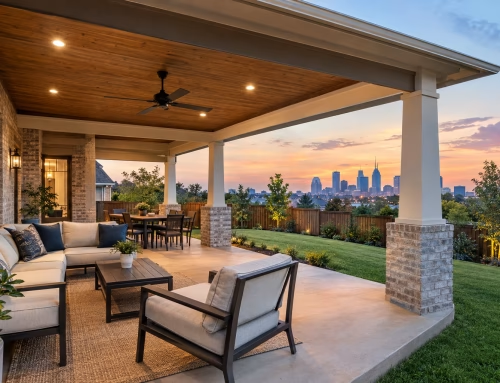
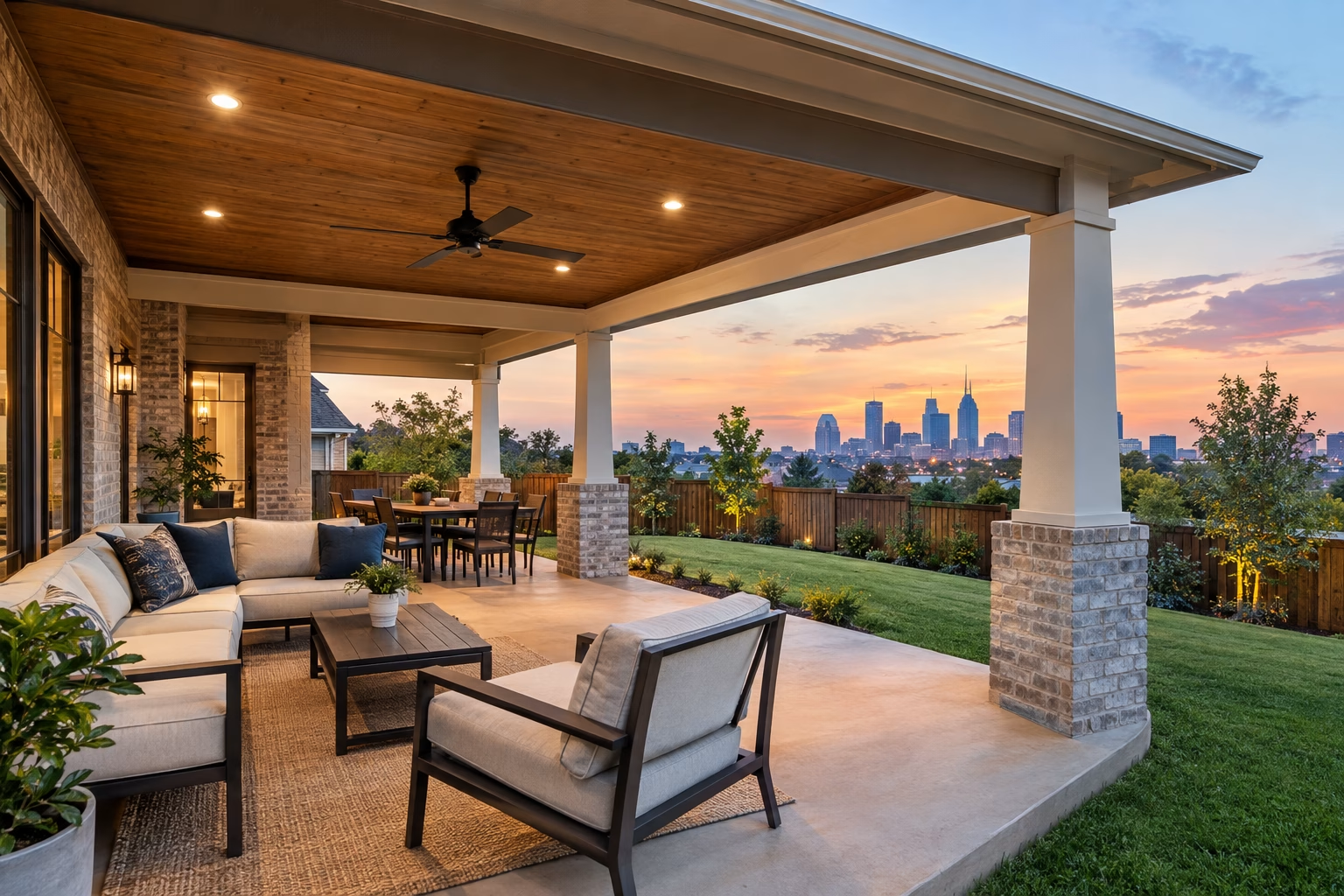
Many homeowners want a home that feels personal while sitting comfortably within its surroundings. Discuss exterior materials, rooflines, porches, windows, and landscaping as part of the design conversation. If the property is in a planned community or near a historic area, check for design rules or review processes before settling on a concept.
How to Choose the Right Custom Home Builder
Start by looking for builders whose experience and approach fit your project. A company that regularly builds homes of a similar size, style, and level of finish may be better equipped to anticipate the decisions your project will require. Ask to see completed homes, review references, and, when possible, speak with previous clients about communication, follow-through, and how challenges were handled.
Ask About the Building Process
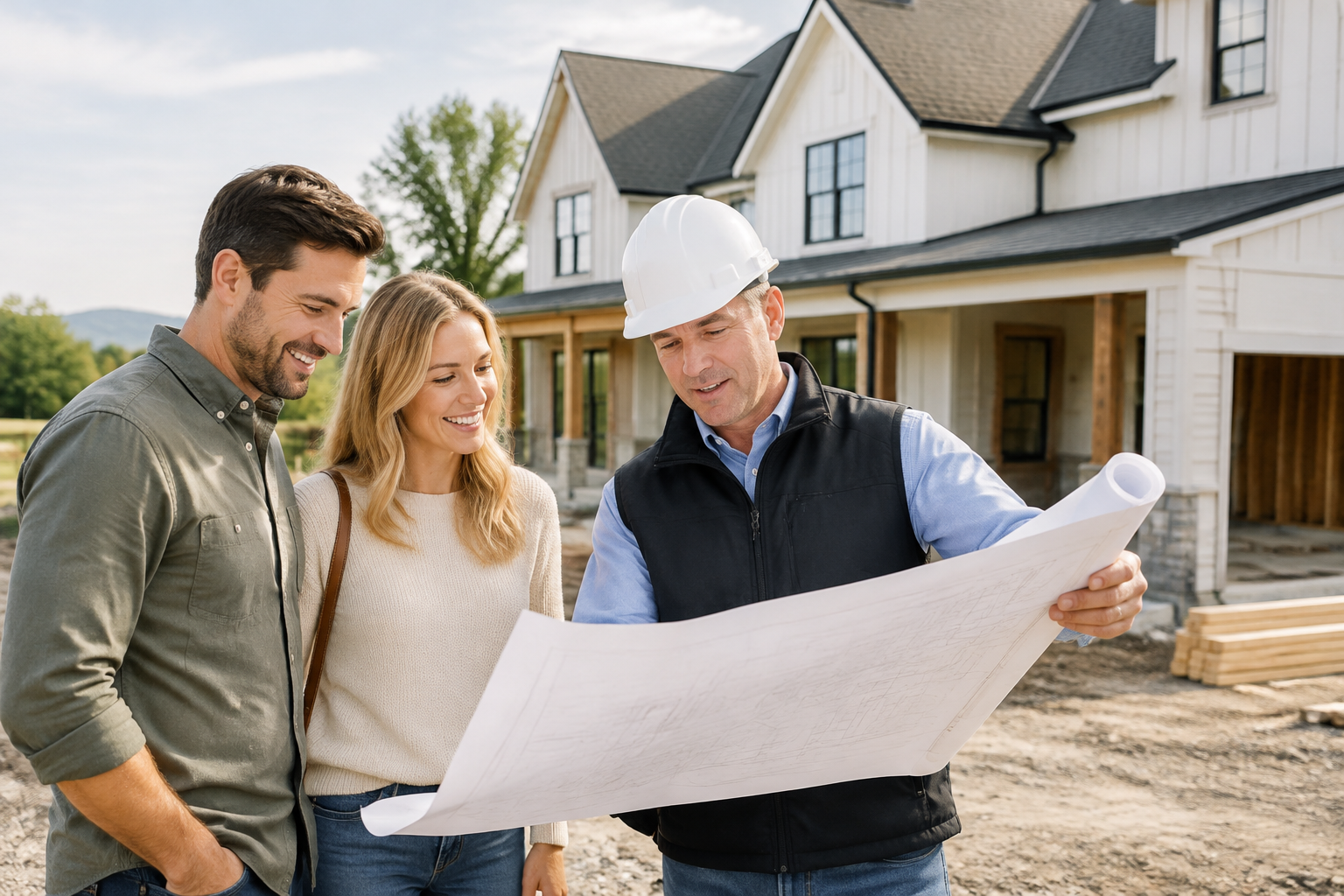
Ask who will be your primary contact, how often you will receive updates, and how site visits are arranged. Find out who coordinates subcontractors and how questions or design changes are documented. A clear process can help prevent misunderstandings, especially during busy phases when several decisions may need attention.
Review the Contract and Budget
Compare proposals carefully. A low initial price may not include the same allowances, site work, materials, or services as another estimate. Ask what is included, which items are provisional, how allowances are selected, and how changes are priced and approved. Review the payment schedule, projected timeline, warranty information, and the process for addressing delays or defects.
It is also wise to set aside a contingency for unforeseen conditions or choices made during construction. The appropriate amount depends on the project and the level of uncertainty; ask your builder and financial adviser what is reasonable for your circumstances. Keep a written record of selections and approvals so you can track the budget as the project progresses.
Planning a Custom Home That Works for You
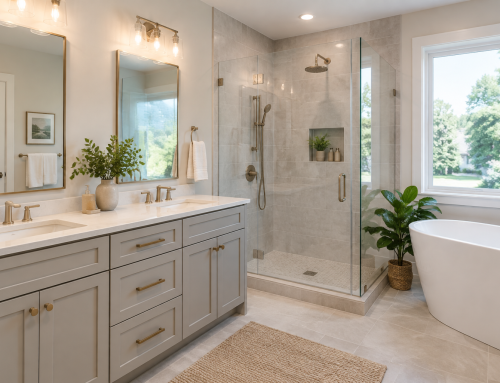
Before design begins, make a list of what you need now and what may matter later. Consider how many people will live in the home, how you use shared spaces, and whether you need a home office, guest suite, accessible features, or flexible rooms. Prioritize the features that will affect the floor plan, since these are often harder to change after construction than paint colors or hardware.
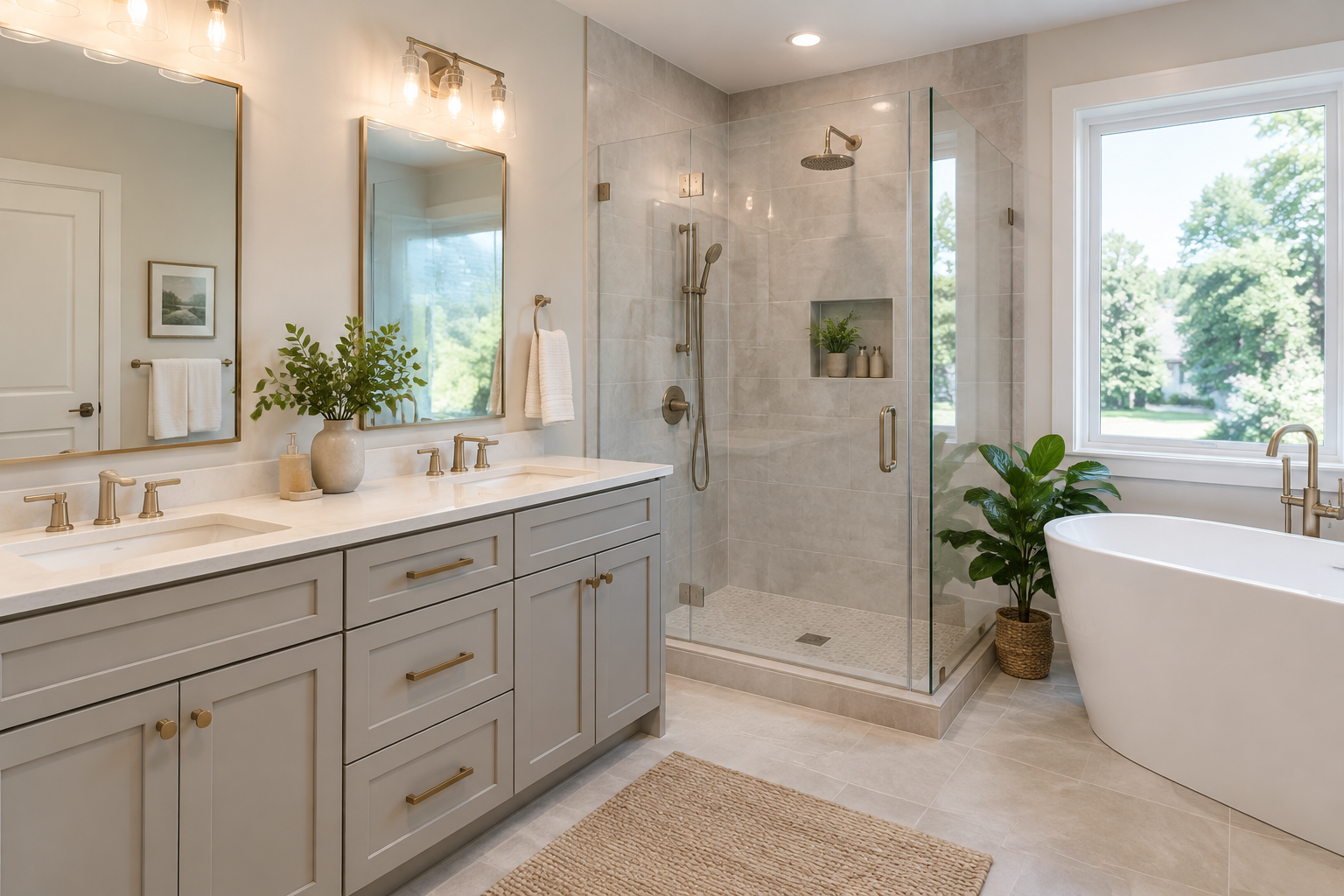
Energy performance and long-term maintenance deserve attention, too. Ask about insulation, windows, air sealing, heating and cooling equipment, and options for efficient lighting and appliances. The best choices depend on your design, budget, and goals. Discuss exterior materials and landscaping with upkeep in mind, so the finished home is practical as well as attractive.
What to Expect During Construction
Although every project is different, the process commonly moves through planning and design, budgeting, permitting, site preparation, foundation work, framing, mechanical systems, finishes, inspections, and final walkthroughs. Some steps may overlap, and the schedule can change because of weather, material availability, approvals, or site conditions.
Stay involved without trying to manage every trade yourself. Attend scheduled walkthroughs, ask questions when something is unclear, and send important requests through the agreed communication channel. Before closing out the project, review the home with the builder, document any incomplete or corrective work, and make sure you receive relevant manuals, warranty details, and maintenance guidance.
Build with Confidence in Franklin, TN
A successful custom home starts with a clear plan and a builder who communicates openly. Compare experience, contracts, budgets, and working styles—not just headline prices. With careful property research and a collaborative team, you can create a Franklin home designed around the way you live today and the years ahead.