What Does a Design-Build Contractor Do?
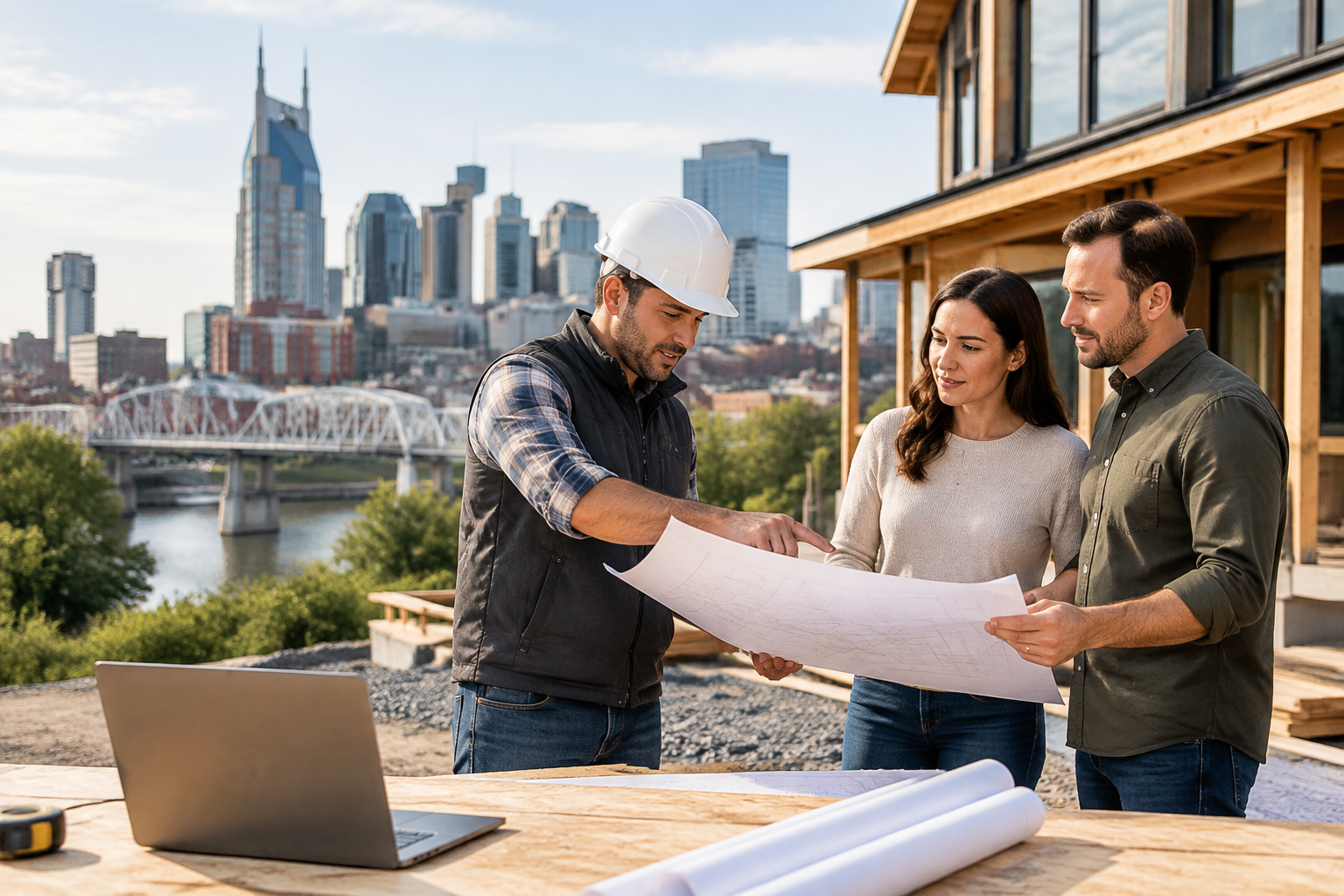
If you’re planning a home renovation, addition, or new build, a design-build contractor in Nashville can bring the design and construction work together under one roof. Instead of hiring an architect or designer and a builder separately, you work with one coordinated team from early planning through construction.
This approach can make communication simpler, help align the design with your budget, and reduce the chance of handoff delays. It does not eliminate every challenge—good planning and clear agreements still matter—but it gives you a single point of coordination for many of the decisions that shape your project.
Design-build services may include initial consultations, concept development, architectural or interior design, budgeting, permit coordination, material selection, construction, and final walkthroughs. The exact scope varies, so ask what is included before signing an agreement.
Why Nashville Homeowners Choose Design-Build
Nashville’s housing stock ranges from historic homes and established neighborhoods to newer suburban developments and contemporary infill projects. A design-build team can help connect your goals with the realities of your property, including its layout, condition, site, and applicable local requirements.
One Coordinated Team
When designers and builders collaborate from the beginning, construction knowledge can inform design decisions early. That can help identify practical questions before plans are finalized, such as whether a proposed layout requires structural changes or whether a selected finish fits the budget. It also means you have a clear team to contact when questions arise.
Budget Considerations Start Earlier
In a traditional project, a completed design may be priced only after substantial design work is finished. With design-build, the contractor can often provide cost feedback as the plan develops. This helps you compare options, prioritize must-haves, and make informed trade-offs before construction begins.
Early estimates are not the same as a final, fixed price. Costs depend on project scope, site conditions, material choices, labor, and other factors. Ask how the estimate is prepared, what assumptions it includes, and how changes are documented.
Common Projects for a Nashville Design-Build Contractor
Design-build firms may handle a wide range of residential and commercial work. Homeowners commonly use the approach for:
- Whole-home renovations: Updating multiple rooms, improving circulation, or refreshing a home while preserving features worth keeping.
- Kitchens and bathrooms: Reworking layouts, storage, lighting, and finishes to better suit daily routines.
- Home additions: Creating extra living space, bedrooms, or a larger kitchen while considering how the addition fits the existing structure.
- New construction: Coordinating the design, selections, approvals, and build for a home from the ground up.
- Commercial improvements: Planning and constructing spaces such as offices, retail interiors, or hospitality projects, depending on the firm’s experience.
Not every contractor specializes in every project type. Look for a team whose portfolio and past work align with the size, style, and complexity of your plans.
How the Design-Build Process Works
Each company has its own workflow, but most design-build projects follow a series of practical stages.
1. Discovery and Project Goals
The first conversations should clarify what you want to accomplish, how you plan to use the space, your preferred style, and your budget range. Bring inspiration images if you have them, but also share what is not working in your current space. Discuss your desired timeline and who will make decisions.
2. Site Review and Feasibility
The team reviews the property and considers existing conditions, access, utilities, and potential constraints. In Nashville, zoning, permitting, and any historic-district or other property-specific requirements may affect what can be built and how long approvals take. Confirm which party will research and coordinate these items, and remember that approval requirements depend on the property and project.
3. Design and Budget Development
Designers develop concepts and refine them with your feedback. The contractor can help evaluate material choices and construction implications as the plans take shape. Ask for a written scope and a clear explanation of what the budget includes, such as allowances, site work, design fees, and permit-related costs.
4. Approvals and Pre-Construction Planning
Before work starts, the team may prepare permit submissions, finalize drawings, order long-lead materials, and coordinate subcontractors. Confirm who is responsible for applications and inspections, what must be approved before construction, and how schedule updates will be shared.
5. Construction and Closeout
During construction, expect regular communication about progress, decisions, and any unexpected conditions. At completion, the contractor should review the work with you, address agreed-upon items, and provide relevant product information or warranty documents. Ask how change orders and punch-list work are handled.
What to Look for When Hiring
Choosing a contractor is about more than comparing a headline price. Take time to assess experience, communication, and the details of the proposal.
- Relevant local experience: Ask about completed Nashville-area projects similar to yours and what challenges the team encountered.
- References and portfolio: Speak with past clients when possible, and review finished work rather than relying on renderings alone.
- Clear licensing and insurance: Verify that the company holds any credentials required for your project and carries appropriate insurance. Ask for documentation.
- Detailed contract: Look for a defined scope, payment schedule, allowances, estimated timeline, exclusions, and written procedures for changes.
- Communication plan: Find out who your main contact will be, how often you will receive updates, and how decisions are recorded.
- Transparent pricing: Ask what could cause the price to change and how unexpected site conditions or owner-requested revisions are priced.
It is also reasonable to interview more than one firm. Compare the quality and completeness of each proposal, not just the total. A low number may leave out important work, while a higher price may reflect a different scope or level of service.
Questions to Ask Before You Sign
Use an initial meeting to understand how the partnership will work. Consider asking:
- Who will lead design, estimating, and construction on my project?
- What services and drawings are included in your fee?
- How do you develop and update the budget?
- How do you handle permits, inspections, and historic or zoning considerations?
- What is the process for selecting materials and approving changes?
- How will you communicate schedule changes or unexpected conditions?
- Can you share references for projects of a similar size and type?
Pay attention not only to the answers but also to how clearly the contractor explains the process. A collaborative project depends on timely decisions, realistic expectations, and trust on both sides.
Conclusion
A design-build contractor in Nashville can simplify a renovation or construction project by coordinating design and building with one team. Define your goals, understand the full scope, and compare contractors carefully. With clear communication and a well-planned agreement, you can move from early ideas toward a space that fits your needs, property, and budget.