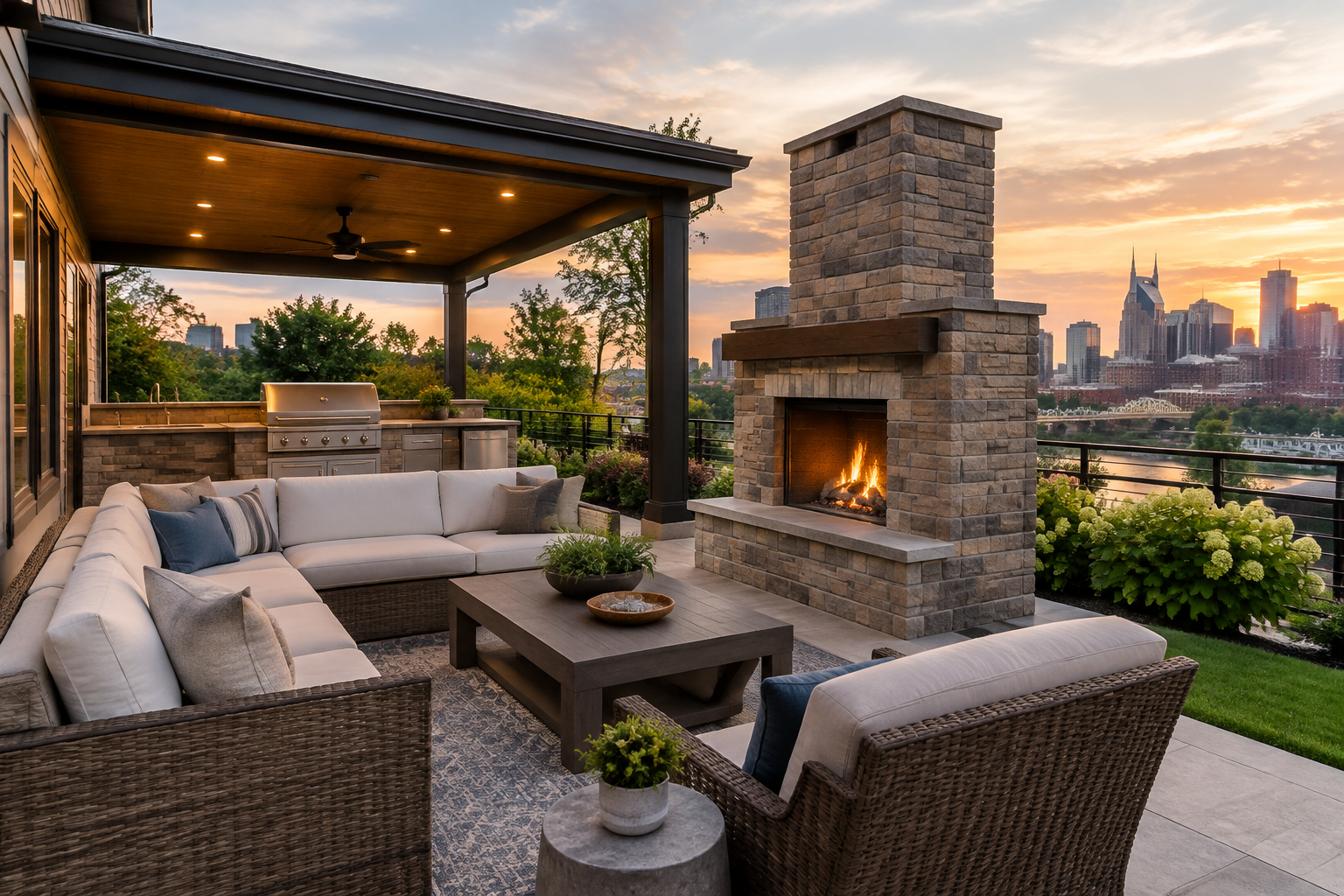
Creating a comfortable outdoor space can make your home more enjoyable in every season. A thoughtfully designed patio, outdoor kitchen, pergola, or screened porch gives you more room to relax and entertain while making better use of your yard. If you are searching for an outdoor living contractor in Nashville, the right partner can help turn your ideas into a practical plan that suits your home, budget, and lifestyle.
Here is what to consider when planning a project, comparing contractors, and preparing for construction in Middle Tennessee.
What an Outdoor Living Contractor Can Do
Outdoor living contractors plan and build spaces that connect your home with the outdoors. Depending on their services, they may handle design, site preparation, construction, and coordination with licensed trades. Projects range from a simple patio installation to a complete backyard renovation.
Common outdoor living projects
- Patios and walkways: Pavers, concrete, natural stone, or other materials can define gathering areas and improve circulation through your yard.
- Decks and porches: A new deck, screened porch, or covered porch can create a sheltered place to dine, unwind, or enjoy the view.
- Outdoor kitchens: Built-in grills, counters, storage, and utility connections can make outdoor meals easier and more inviting.
- Pergolas and shade structures: These features add visual interest and offer varying degrees of shade, depending on their design and coverage.
- Fire features and lighting: Fire pits, fireplaces, and well-planned lighting can extend the use of an outdoor area into the evening and cooler months.
- Landscaping and drainage improvements: Planting, grading, and drainage work can help a finished space feel integrated and perform well over time.
Not every contractor offers every service. Ask which parts of your project they complete themselves and which require subcontractors, such as electrical, plumbing, or gas work.
Plan for Nashville’s Climate and Property Conditions
Middle Tennessee’s changing seasons influence the materials and features that make sense for an outdoor space. Hot, humid summers can make shade and airflow valuable, while rain and freeze-thaw cycles can put pressure on surfaces, drainage, and construction details. A contractor familiar with local conditions can help you consider these factors early.
Think about shade, water, and durability
Pay attention to how sunlight moves across your yard and when you are most likely to use the space. A covered porch, pergola, shade trees, or strategically placed screens may improve comfort. For patios and other hard surfaces, ask how the proposed design will direct water away from the house and prevent pooling. Proper grading and drainage are especially important where a yard slopes or receives runoff from neighboring areas.
Discuss how materials are expected to age and what maintenance they require. Options vary in appearance, cost, and upkeep. A contractor should explain the trade-offs in plain language rather than recommending a material without considering your needs.
How to Choose an Outdoor Living Contractor in Nashville
Choosing a contractor is about more than finding an attractive project photo. Look for someone who listens carefully, explains the process, and can show relevant experience. Get several estimates when practical, and compare the scope of work—not just the bottom-line price.
Review experience and past projects
Ask to see examples similar to your project in scale, style, or complexity. A portfolio can help you assess craftsmanship and design sensibility. References from recent clients may also offer insight into communication, schedule management, and how the contractor handled unexpected issues. When possible, ask about projects that involved similar site conditions, such as a steep yard or limited access.
Confirm credentials, insurance, and written terms
Ask what licenses, registrations, and insurance apply to the work in your area. Requirements can vary by project and jurisdiction, so confirm details with the appropriate local authorities rather than assuming a particular credential covers every service. Request a written contract that identifies the work, materials, payment schedule, estimated timeline, and process for changes. It should also explain applicable warranties and who is responsible for permits and inspections.
Compare detailed estimates
A useful estimate should describe the project clearly, including material types or allowances, preparation work, disposal, and any included utility connections. Ask what is excluded. For example, an estimate may not include permit fees, major drainage corrections, or landscaping repair unless those items are listed. Clarifying details before signing makes it easier to compare proposals and reduces the chance of surprises later.
Questions to Ask Before You Sign
A short conversation can help you understand whether a contractor is a good fit. Consider asking:
- Who will manage the project and serve as my main contact?
- Which parts of the work will be completed by subcontractors?
- How will you protect the home, lawn, and existing landscaping during construction?
- What is the expected schedule, and how do weather delays affect it?
- How are design changes and additional costs approved?
- Who will coordinate permits, inspections, and utility work?
- What maintenance should I expect after the project is complete?
Clear, direct answers are a good sign. Be cautious of vague proposals, pressure to make an immediate decision, or promises that sound unusually certain about timing and costs before the site has been assessed.
Set a Realistic Budget and Timeline
Outdoor projects can vary widely in cost because of size, materials, access, utilities, and site preparation. A basic patio and a covered entertaining area with lighting, cooking equipment, and drainage work are very different projects. Share your priorities and budget range with prospective contractors so they can suggest a scope that fits. If needed, divide the work into phases—for example, completing the patio and drainage first, then adding a pergola or outdoor kitchen later.
Ask how the contractor develops the schedule and what factors may affect it. Weather, material availability, permitting, and the complexity of utility connections can all influence timing. A written schedule or milestone plan can help you know what to expect, while regular updates make delays easier to manage.
Make the Space Work for Your Daily Life
The best outdoor area is designed around the way you live, not just a list of features. Think about how many people you typically host, whether you need room for children or pets, and how you will move between the indoor kitchen and outdoor seating. Consider storage, privacy, lighting, and the path from the driveway or back door. If the space will be used for cooking, keep food preparation, seating, and walking routes in mind when planning the layout.
It can help to rank features as essential, desirable, or optional. That simple exercise gives your contractor a clearer brief and helps protect the budget if priorities need to shift during design.
Conclusion
The right outdoor living contractor in Nashville can help you create a space that looks inviting and works well through the seasons. Define your priorities, ask detailed questions, compare written scopes, and choose a professional who communicates clearly. With careful planning, your yard can become a comfortable extension of your home.