
Your Local Outdoor Living Contractor in Nolensville, Tennessee
A well-planned outdoor space can make everyday time at home more enjoyable, whether you want room for family meals, a comfortable place to unwind, or a more useful connection between your house and yard. In Nolensville, homeowners can work with an outdoor living contractor to explore options that suit their property, priorities, and budget. Projects may include patios, decks, pergolas, outdoor kitchens, fire features, lighting, and other improvements designed around how you plan to use the space.
Getting started is straightforward: share what you have in mind, discuss the areas of your yard you would like to improve, and arrange a conversation about the project. A site review can help identify practical considerations such as access, existing landscaping, shade, drainage, and how the new space will connect to your home. From there, you can compare design choices, materials, and project scope before deciding how to proceed. Clear planning helps you understand the work involved and choose features that feel useful rather than simply adding complexity.
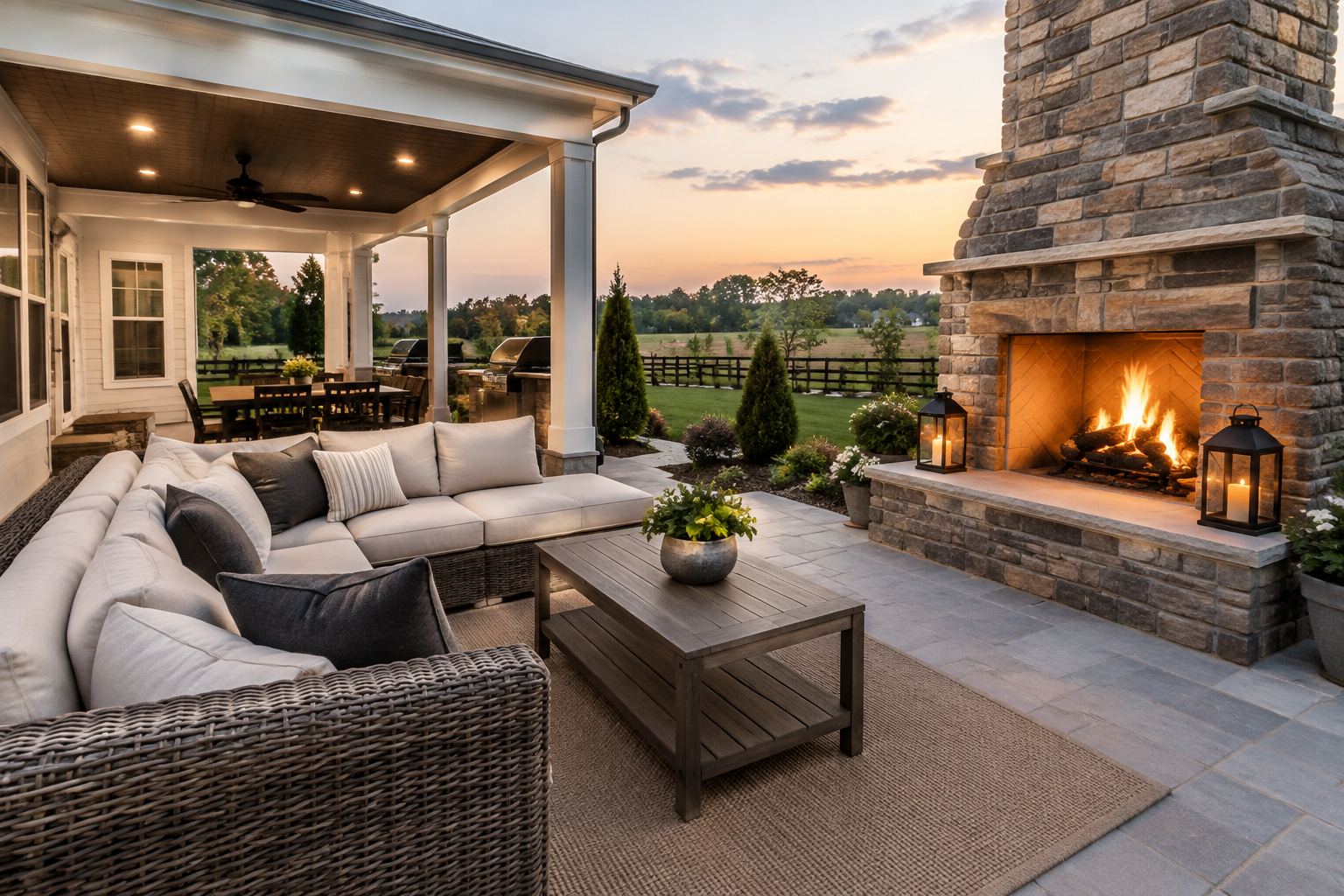
Plan an outdoor space around the way you live
Outdoor living projects work best when they begin with everyday needs. Consider whether you want a dining area, a place to host friends, a quiet retreat, or a safer and more convenient route through the yard. An experienced contractor can help translate those goals into a practical plan for your Nolensville home. The right layout can make outdoor areas easier to use and create a more natural transition between indoor and outdoor living.
Common projects include patios and walkways, decks, pergolas and shade structures, outdoor kitchens, seating areas, fire features, and exterior lighting. You do not have to decide on every detail before reaching out. A discussion about your priorities can help narrow the possibilities and determine which improvements make sense for your space.
What to expect when you contact a contractor
Begin by describing the project, your preferred timing, and any features you are considering. Photos or a simple list of goals can be helpful, but an initial conversation is also a good place to ask questions and explore ideas. A contractor may then arrange a visit to understand the yard, assess access, and talk through how the project could fit with the home and existing outdoor areas.
After reviewing the site and your goals, ask for a clear outline of the proposed work. It should explain the general scope, material options, expected steps, and how changes or additional work would be discussed. If permits, property rules, or other approvals may apply, ask what requirements need to be checked and who is responsible for confirming them before construction begins. Requirements can vary by project and property, so it is better to verify than assume.
Choose features suited to local conditions
Nolensville homeowners experience changing seasons, so it is useful to plan for both sunny days and periods of rain. Shade, comfortable circulation, and suitable drainage can all affect how often a space gets used. Discuss how the proposed layout will handle runoff and connect to the surrounding yard. Material choices should also reflect the intended use and the level of maintenance you are comfortable with.
Think about how different features will work together. A patio might provide the foundation for dining and seating, while a pergola can add filtered shade. Lighting can make paths and gathering areas more practical after dark. If you are considering an outdoor kitchen or fire feature, discuss its placement, utility needs, clearances, and any applicable safety requirements with the contractor before finalizing the design.
Benefits of working with an outdoor living contractor
Coordinating design and construction with a qualified professional can help you evaluate your options, plan the sequence of work, and make decisions with the whole space in mind. A contractor can also help you identify practical constraints early, reducing the chance that an appealing idea overlooks access, drainage, maintenance, or how people will move through the yard. Clear communication about the scope and selections makes it easier to compare options and keep expectations aligned.
- Share how you want to use the space and what matters most to your household.
- Discuss site conditions, material choices, maintenance, and project sequencing.
- Request a written description of the proposed work and ask questions before approving it.
- Confirm relevant approvals and safety considerations for the features you select.
Whether you are planning a modest update or a larger outdoor living area, starting with a conversation helps you understand what is possible for your property. Take time to review the plan, clarify responsibilities, and choose improvements that support the way you want to enjoy your home.
Outdoor Living for Nolensville Homes
Nolensville offers residents a suburban setting where outdoor areas can serve many purposes, from everyday relaxation to meals and gatherings with family or friends. A thoughtfully designed patio, deck, or shaded seating area can make a yard more comfortable and useful while creating a better connection between the house and the outdoors. The best solution depends on each property, the household’s priorities, and the way the space will be used.
Seasonal changes make planning especially important. Shade can improve comfort on bright days, while sound grading and drainage planning help an outdoor area function during wet weather. Homeowners can contact an outdoor living contractor to discuss ideas, arrange a site review, and consider layouts and materials suited to their needs. By clarifying the project scope and checking any applicable requirements before work begins, residents can make informed choices and create an outdoor space that fits their home and lifestyle.
Frequently Asked Questions About Outdoor Living in Nolensville, Tennessee
What should I consider before planning an outdoor living area in Nolensville?
Start with how you want to use the space: dining, relaxing, cooking, entertaining, or a mix. Note how many people will typically use it, how it connects to the house, and which areas receive sun or shade at different times of day. Then consider practical needs such as seating, pathways, lighting, privacy, and storage. A clear priority list helps guide the layout and keeps design choices focused on your household’s everyday use.
Which materials are a good choice for an outdoor living space?
Choose materials based on appearance, comfort, maintenance, and exposure to sun and seasonal weather. Pavers and natural stone offer different textures and upkeep needs, while decking materials vary in heat retention, appearance, and maintenance. For structures and furnishings, consider how they will handle moisture and temperature changes. Ask about surface traction, cleaning requirements, and how materials may age. Comparing samples in the space can also help you judge color and finish alongside your home.
How can I keep rainwater from pooling around a patio or outdoor kitchen?
Drainage should be considered before the surface or structures are installed. The layout may need appropriate slopes, drainage channels, or other measures to direct water away from the home and prevent standing water. Existing downspouts, low spots, and the way water moves across the yard are important factors to review. A qualified professional can assess the site and recommend an approach suited to the project, rather than relying on a surface fix after construction.
Do I need a permit to build an outdoor living area in Nolensville?
Permit requirements depend on the project’s scope and details. A simple ground-level patio may be treated differently from a covered structure, deck, outdoor kitchen, or project involving electrical, plumbing, or gas work. Before construction, check current requirements with the appropriate local building department and ask which approvals apply to the proposed plans. If the project involves multiple trades or structural work, clarify who will handle permit applications and inspections so responsibilities are clear.
How can I make an outdoor living area easier to maintain?
Plan for upkeep as part of the design. Choose finishes and surfaces whose cleaning needs fit your routine, and allow practical access around furniture, grills, and planted areas. Consider where leaves and debris may collect, whether cushions can be stored, and how lighting or cooking equipment will be maintained. A simple seasonal checklist—cleaning surfaces, checking connections, and looking for wear—can help you spot small issues early and keep the space comfortable to use.