
Your Local Outdoor Living Contractor in La Vergne, Tennessee
A well-planned outdoor space can make everyday time at home more enjoyable, whether you want a comfortable place to gather, a practical area for dining, or a backyard that feels easier to use. In La Vergne, an outdoor living contractor can help you explore options that suit your property, your routine, and the way you want to spend time outside. The first step is usually a conversation about your goals, budget, existing yard, and any features you already have.
From there, you can discuss possible improvements such as a patio, covered seating area, outdoor kitchen, fire feature, walkways, or coordinated landscaping. The right design depends on factors like drainage, shade, access from the house, and how the space will work through changing seasons. A contractor can help organize those decisions, explain material and layout choices, and outline the work before construction begins. If you are considering outdoor living services in La Vergne, start by describing what is not working in your current yard and what you would like to make possible.
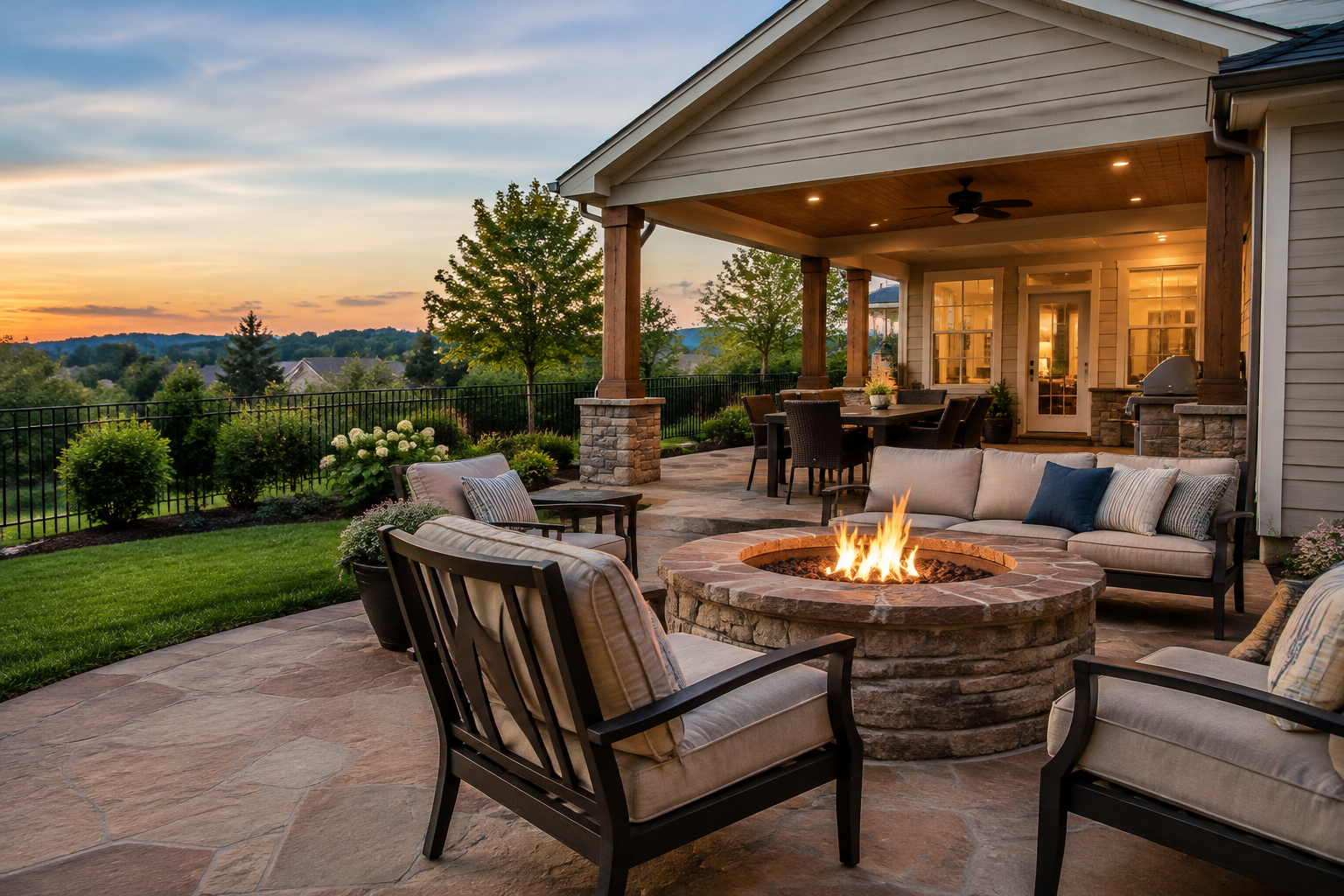
Plan an outdoor space around how you live
Outdoor living improvements are most useful when they respond to everyday needs rather than simply adding features. Think about whether you want room for meals, a place to relax after work, space for children to play, or a setting for hosting friends and family. Sharing these priorities with a contractor gives the planning process a clear starting point and helps keep the design focused on how you will actually use the yard.
For La Vergne homeowners, the layout should also account for the property itself. The slope of the ground, existing trees, drainage patterns, access from the home, and available shade can all affect what will work well. A site discussion can help identify opportunities and potential constraints before you settle on materials or a final plan.
Explore outdoor living services
Depending on your goals and property, a contractor may be able to help plan and build features such as patios, decks, pergolas, covered outdoor areas, walkways, outdoor kitchens, fire features, or seating areas. Some projects focus on one improvement; others bring several elements together to create a more connected backyard. Ask how proposed features will relate to one another and to the entrances, windows, and outdoor routes you use most.
Material selection is another important part of the conversation. Different surfaces and finishes have different appearances, maintenance needs, and costs. A contractor can explain the options available for your project and help you compare them in light of your budget, preferred style, and willingness to maintain the space. The goal is to choose a design that feels cohesive with your home and remains practical for regular use.
What to expect when getting started
Accessing outdoor living services in La Vergne can begin with a simple inquiry. Be ready to explain the project area, the improvements you are considering, and any timing or budget preferences you are comfortable sharing. Photos or rough measurements may help communicate your ideas, although an on-site review is often useful for understanding conditions that are difficult to see in pictures.
- List the main ways you want to use the outdoor space.
- Note existing concerns, such as limited shade, uneven areas, or water collecting after rain.
- Ask what design, construction, and related services are included in the proposed work.
- Request a written scope and clear information about estimated costs and scheduling.
- Check whether approvals or permits may apply to your specific project and who is responsible for confirming them.
Clear communication helps you compare proposals and understand what happens next. Before work begins, make sure you know which features are included, what materials are planned, how changes will be handled, and how the project area will be accessed. Requirements can vary according to the type and scope of work, so confirm applicable local rules rather than assuming they are the same for every project.
Why work with an outdoor living contractor?
Coordinating an outdoor project can involve design decisions, material choices, preparation, and construction. Working with a contractor can make those steps easier to navigate by giving you a point of contact to discuss the plan and how its parts fit together. Professional guidance can also help you consider practical details early, such as circulation, shade, drainage, and the relationship between a new patio or seating area and the house.
Good planning can help reduce avoidable surprises and make better use of your available space. It also gives you a chance to ask questions before committing to a design. Whether you are updating a small area or planning a broader backyard project, a local conversation can help turn general ideas into a clear, manageable next step.
Outdoor Living in La Vergne
La Vergne is part of the Nashville metropolitan area in Rutherford County, where homes and yards can vary in size, layout, and outdoor features. That means an outdoor living plan should begin with the specific property, not a one-size-fits-all design. A contractor can help consider how the yard connects to the home, where people enter and gather, and what changes could make the space more comfortable and useful.
Middle Tennessee's changing seasons make shade, drainage, and durable, appropriate materials worth discussing when planning an outdoor project. A patio or covered gathering area may suit one household, while another may prioritize a walkway, cooking space, or a simpler place to sit outdoors. By talking through your priorities and the conditions on your property, you can choose improvements that fit your routine and budget. Residents can start by contacting an outdoor living contractor to discuss the project, ask about the process, and determine what information is needed for a site review and estimate.
Frequently Asked Questions About Outdoor Living in La Vergne, Tennessee
What outdoor living features can be planned for my La Vergne home?
Outdoor living projects can range from a patio or deck to a more complete space with seating areas, an outdoor kitchen, lighting, shade, or a fire feature. The right combination depends on how you plan to use the yard, the space available, and your budget. Think about how many people you usually host, whether you need room for dining or play, and how the new area should connect to your home before choosing features.
How can I prevent water from pooling around a new patio?
Drainage should be considered before the patio or other hardscape is installed. A contractor can assess the existing slope, nearby roof downspouts, and where water naturally moves through the yard, then plan grading and drainage details accordingly. Avoid directing runoff toward the house or a neighboring property. If you already have standing water or erosion, mention it during planning so the underlying issue can be addressed rather than covered by the new work.
Which materials hold up well for outdoor living in Tennessee weather?
Choose materials suited to sun, rain, humidity, and seasonal temperature changes. For example, compare paving options for slip resistance and maintenance, and ask how wood or composite decking handles moisture, fading, and routine care. Finishes and fasteners also matter outdoors. The best choice depends on the feature, exposure, and appearance you want, so review samples and maintenance needs together instead of selecting only by color or initial cost.
Will I need permits or approvals for an outdoor living project?
Requirements can depend on the project’s size, structure, location on the property, and features such as electrical or gas work. Before construction, check applicable requirements with the City of La Vergne and ask whether your homeowners association has separate design rules. It is also sensible to have underground utilities identified before digging. Confirming these details early helps avoid changes after work begins and clarifies what documentation may be needed.
How can I make an outdoor living area comfortable beyond summer?
Plan for comfort in more than one season by considering shade for sunny days, lighting for evenings, and seating that suits the space. A covered area or screened section may extend its use, while a properly selected outdoor heater or fire feature can add warmth in cooler weather. Any heat source needs suitable clearances, ventilation, and safe placement. Consider storage for cushions and other furnishings when the space is not in use.