
Your Local Outdoor Living Contractor in Hillsboro, Tennessee
An outdoor space can make everyday time at home more comfortable, whether you want a place to dine outside, room for family gatherings, or a quiet spot to enjoy the yard. Homeowners in Hillsboro can work with an outdoor living contractor to plan improvements that suit their property, preferred style, and budget. Options may include a patio, deck, pergola, outdoor kitchen, fire feature, lighting, or a combination of elements designed to work together.
Getting started is straightforward: think about how you want to use the space, what needs to change, and which features matter most. A contractor can discuss those priorities, review the site, and help identify practical choices for layout, materials, drainage, and construction. This planning is especially useful when a yard has slopes, existing trees, limited access, or other conditions that affect the design. With a clear plan and professional installation, you can create an outdoor area that feels connected to your home and is easier to enjoy through the seasons.
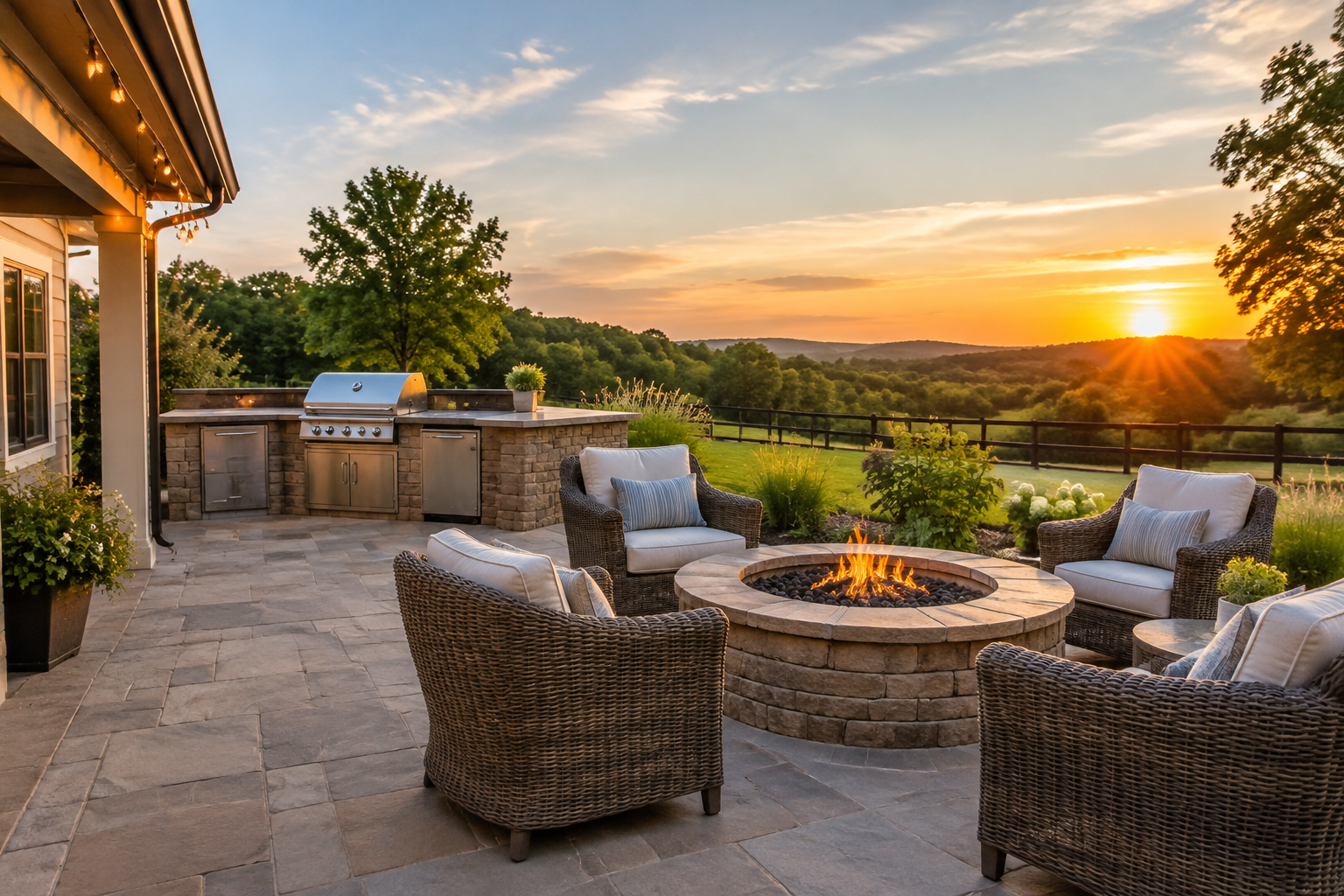
Plan an outdoor space around the way you live
Outdoor living projects work best when they begin with a clear purpose. Consider whether you want to host meals, relax with a book, make a safer route through the yard, or create more room for children and guests. Your answers help guide the size, location, and features of the project. An outdoor living contractor serving Hillsboro can help turn those priorities into a practical design for your home.
During an initial conversation, share what you like about your existing yard and what is not working. Photos, rough measurements, and examples of styles you prefer can make it easier to discuss ideas. A site review can also help identify property conditions that may affect the plan, such as changes in grade, drainage patterns, trees, utility locations, or the path materials and equipment need to take during construction.
Choose features that fit your property
Outdoor living can be a single improvement or a coordinated project. The right combination depends on your goals, available space, and how much ongoing care you want to take on.
- Patios and decks: Create a defined place for seating, dining, or movement between the house and yard.
- Pergolas and shade features: Add structure and make a seating or dining area more comfortable in sunny conditions.
- Outdoor kitchens: Bring food preparation and serving outdoors, with a layout planned around safe movement and convenient access.
- Fire features: Establish a gathering point, with placement and clearances considered as part of the design.
- Lighting and paths: Improve visibility and make it easier to move between outdoor areas after daylight fades.
These features should be selected with the whole property in mind. For example, a patio may need a suitable surface and a plan for water runoff; a deck may need a layout that connects comfortably to the home; and lighting should support both use and visibility without being excessive. A contractor can explain material options and maintenance considerations so you can compare choices before work begins.
Understand the process before construction
Once you have a general direction, ask for a written scope describing the planned work, materials, expected sequence, and items that are not included. Discuss how the design will address drainage, transitions to the home, access to the work area, and any necessary coordination with utilities or other trades. Confirm who will handle permits or approvals if they are required for your particular project, and ask how changes are documented.
Clear communication helps you make informed decisions throughout the project. Before construction starts, review the layout and finish selections, confirm the schedule expectations, and ask how the work area will be managed. If your plans include electrical, plumbing, cooking equipment, or a fire feature, clarify how those elements will be coordinated and what professional requirements apply. Requirements can vary by project and property, so verify details with the contractor and relevant local authorities.
Make the finished space easier to enjoy
A thoughtful design balances appearance with everyday use. Plan enough room for furniture and comfortable circulation, consider how people will enter and leave the space, and choose finishes that suit the amount of upkeep you prefer. In Tennessee, seasonal weather and periods of rain make it sensible to discuss water movement, durable materials, and care over time. A well-planned outdoor area can support everyday relaxation as well as gatherings, while helping your yard feel more usable and connected to your home.
To explore outdoor living services in Hillsboro, begin with a conversation about your goals and property. Share your preferred features and questions, then ask for a site-specific plan and clear next steps. Comparing the scope, materials, and communication approach gives you a useful basis for deciding how to proceed.
Outdoor Living in Hillsboro
Hillsboro offers homeowners the opportunity to make more of the space around their homes, whether the priority is a comfortable place to sit outdoors or a larger area for dining and entertaining. Because properties differ in layout, grade, access, and existing landscaping, a plan developed for the individual site is more useful than a one-size-fits-all design. A local project conversation can help identify what is practical and which improvements should come first.
Outdoor living features can also be planned with Tennessee's changing seasons in mind. Shade, durable surfaces, sensible drainage, and well-positioned lighting may all contribute to a space that is comfortable and easier to maintain. Residents can start by describing how they want to use the yard, then ask a contractor to review the site, explain material and design options, and outline the work clearly. This approach helps Hillsboro homeowners make considered choices and create an outdoor setting that complements their home and daily routines.
Frequently Asked Questions About Outdoor Living in Hillsboro, Tennessee
What can an outdoor living project include?
An outdoor living project can range from a simple patio or deck to a more complete space with seating areas, shade, lighting, or cooking features. The right scope depends on how you plan to use the yard, the space available, and your priorities. Before design begins, consider how many people you typically host, whether you want a quiet place to relax, and which features matter most. A clear list of needs helps guide the layout and project scope.
Can an outdoor living area work in a sloped or uneven yard?
Often, but the design should respond to the site rather than treat the slope as an afterthought. A contractor can assess grades, soil conditions, drainage patterns, and access before recommending options such as terracing, steps, retaining features, or a raised deck. Managing runoff is especially important so water does not collect near the home or undermine the new work. Ask how the proposed layout will handle water and provide safe, comfortable transitions between areas.
How should I choose materials for a patio or deck?
Compare materials by appearance, upkeep, durability, comfort, and how they fit your intended use. Wood may offer a natural look but typically needs periodic care; composite decking can reduce some routine maintenance, while pavers and other masonry surfaces offer different styles and repair considerations. Also ask about surface temperature, traction when wet, and how colors may change over time. Reviewing samples in the actual outdoor setting can make comparisons more useful than choosing from pictures alone.
What should I plan before adding an outdoor kitchen?
Start with the way you cook and entertain, then plan the kitchen around safe movement, useful counter space, storage, and convenient access to the house. Equipment choices may affect requirements for utilities, ventilation, clearances, and weather protection. Have qualified professionals assess any gas, electrical, or plumbing work, and confirm whether permits or inspections apply to your project. It is also practical to consider how the area will be cleaned, covered, and secured when it is not in use.
How can I keep an outdoor living space in good condition?
Care depends on the materials and features in your space, so follow the product-specific guidance provided for the installation. In general, clear leaves and debris, clean surfaces with appropriate methods, and periodically check for loose boards, shifting pavers, worn joints, or damaged railings. Inspect lighting, cooking equipment, and covers before regular use, and address small problems before they worsen. Ask for a maintenance plan that explains what to check seasonally and which cleaners or treatments to avoid.