
Your Local Outdoor Living Contractor in Burns, Tennessee
A comfortable outdoor space can make it easier to enjoy your home through warm afternoons, mild evenings, and the changing seasons in Middle Tennessee. If you live in Burns, an outdoor living contractor can help you plan improvements that suit your property, your routine, and the way you want to spend time outside. Projects may include a patio, deck, porch, outdoor kitchen, fire feature, shade structure, or a combination of features designed to work together.
Getting started is straightforward: consider what is missing from your current outdoor space, set a practical budget, and arrange a conversation with a contractor about your ideas. A site review can help identify factors such as existing grades, drainage, access from the home, sun exposure, and the best place for seating or cooking areas. With a clear plan and professional guidance, Burns homeowners can make informed choices about materials, layout, and project timing before construction begins.
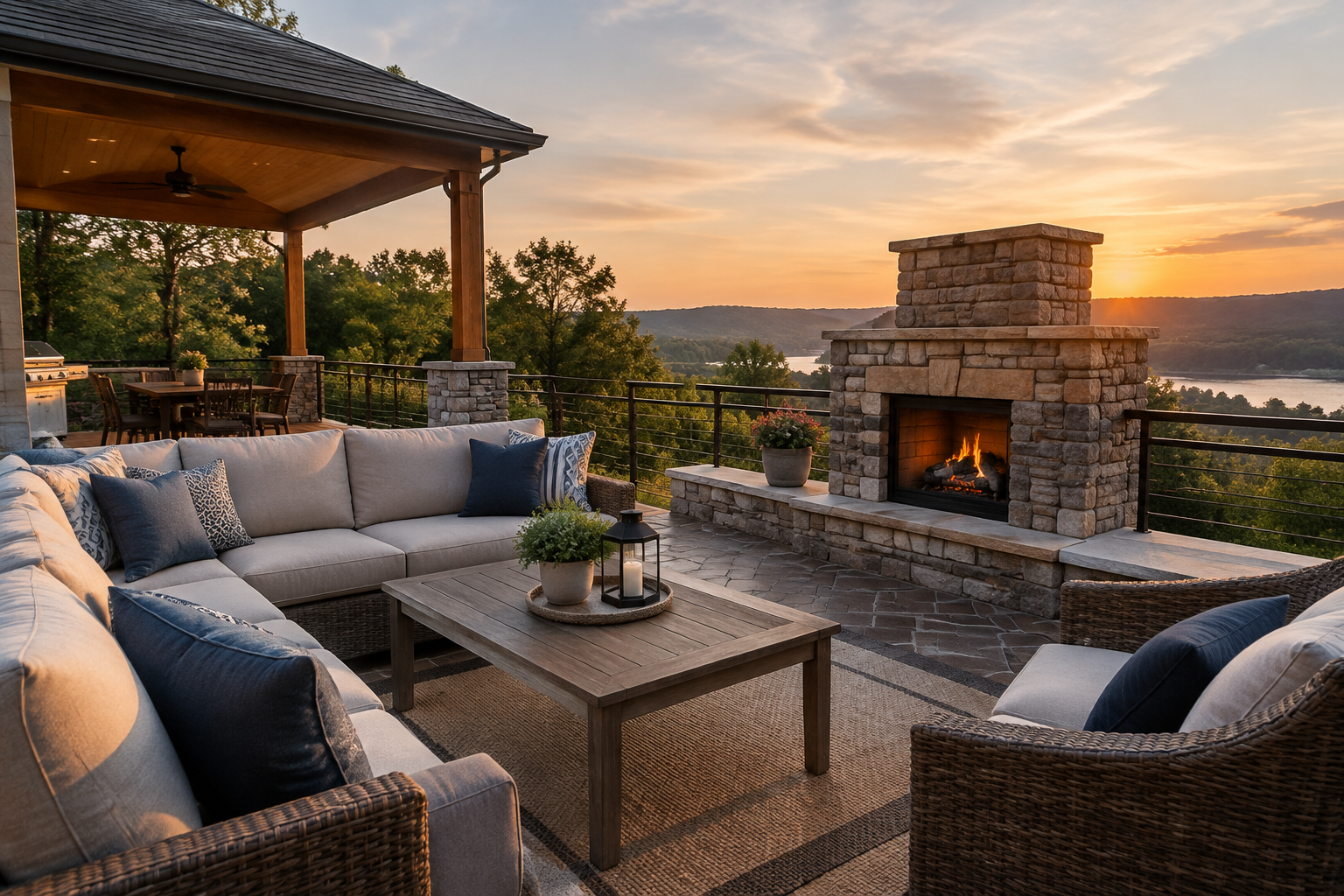
Plan an outdoor space around your home
Outdoor living projects work best when they respond to how a household actually uses its yard. Before contacting a contractor, think about whether you want a place to dine, relax, cook, entertain, or move between indoor and outdoor areas more easily. You do not need a finished design. A few notes about priorities, preferred features, and an approximate investment range can make the first conversation more useful.
A local outdoor living contractor can discuss how a proposed patio, deck, porch, or other feature may fit the home and property. A site visit can help assess access, the shape and slope of the yard, existing structures, drainage, and exposure to sun and weather. These details influence both design and construction planning. They can also help identify questions to resolve early, such as how people will reach the new space from inside the house.
Choose features that add comfort and function
There is no single design that suits every Burns property. Some homeowners want a simple patio with room for chairs and a table, while others may be considering a larger entertaining area. Depending on your needs and site conditions, a contractor can help you explore options such as:
- Patios and decks sized for everyday use or gatherings.
- Porches, pergolas, or other structures that provide shelter or shade.
- Outdoor kitchens and designated areas for serving meals.
- Fire features and seating areas planned with safety in mind.
- Lighting, steps, and transitions that make the space easier to use.
Discuss how each feature will be used and maintained, not just how it will look. A material that suits your style should also be appropriate for outdoor conditions and the level of upkeep you are comfortable with. Ask the contractor to explain options, expected care, and how the proposed work will connect with existing landscaping or structures.
Understand the process before work begins
Once you have an initial concept, request a written proposal that describes the project scope, materials, major construction steps, and how changes will be handled. Ask what preparation is needed, what access the crew will require, and how the work may affect household routines. If the project includes structural elements, utilities, or other regulated work, ask who will confirm applicable requirements and whether permits or inspections may be needed. Requirements can vary with the project and property, so they should be checked rather than assumed.
It is also sensible to discuss scheduling. Outdoor construction can be affected by weather, site conditions, and material availability. A contractor should be able to explain the expected sequence and how updates will be shared if plans change. Before agreeing to begin, make sure you understand the payment schedule, warranty information if offered, and the process for raising questions during the project.
Why work with an outdoor living contractor?
Professional planning can help bring design, materials, and construction details together. Rather than purchasing separate features without considering how they relate, you can review the layout as a whole and prioritize the improvements that matter most. Guidance on drainage, circulation, shade, and access may help prevent avoidable frustrations and make the finished area more practical.
For Burns residents, working with a contractor who understands the local area can also make conversations about site conditions and seasonal outdoor use more relevant. Look for clear communication, a detailed scope, and answers that address your property rather than relying on a one-size-fits-all plan. Take time to compare proposals and ask questions before making a decision. The result should reflect your household’s needs and provide a comfortable, usable extension of your home.
Outdoor Living for Burns Homes
Burns is a community in Dickson County where residents enjoy a mix of residential settings and access to the outdoors. A well-planned patio, deck, porch, or entertaining area can make a home more inviting for quiet evenings, family meals, and time with friends. The right approach depends on the individual property, including its layout, existing features, and how the household prefers to spend time outside.
Middle Tennessee’s changing seasons make practical planning important. Shade, shelter, drainage, durable materials, and convenient connections to the home can all affect how comfortable an outdoor space feels over time. A contractor can help Burns homeowners consider these factors, compare suitable design options, and understand the work involved before construction starts. Whether you are improving a small sitting area or planning a more complete outdoor living space, begin with your priorities and ask for recommendations tailored to your site.
Frequently Asked Questions About Outdoor Living in Burns, Tennessee
What kinds of outdoor living features can be planned for a home in Burns?
Outdoor living projects can range from a patio or sitting area to a pergola, fire feature, outdoor kitchen, or a combination of elements. The right scope depends on how you want to use the space, the available yard area, and how the project connects to the home. Start by listing priorities such as dining, shade, cooking, or gathering, then consider circulation, seating, lighting, and storage as part of the overall layout.
How should I choose materials for an outdoor patio in this area?
Choose materials with both appearance and upkeep in mind. Consider how the surface handles rain, temperature changes, foot traffic, and regular cleaning, and ask how different options may weather over time. Pavers, concrete, natural stone, and wood each have different installation and maintenance needs; no single choice suits every site. Samples can help you compare color and texture with your home, while a site review can identify slope, soil, and drainage considerations.
What should I consider about drainage before adding an outdoor living area?
Drainage should be considered before patio or walkway construction begins. The layout and finished surface need to account for water movement so runoff is directed away from the home and does not collect where people walk or gather. Existing slopes, downspouts, soil conditions, and nearby hard surfaces can all affect the plan. If the yard has persistent wet spots or erosion, identify those issues early so the design can address them rather than conceal them.
Can an outdoor kitchen be added to an existing patio?
It may be possible, but the existing patio should be checked for size, condition, levelness, and capacity to support the proposed kitchen elements. Planning also needs to account for safe circulation, appliance clearances, ventilation, weather exposure, and access to any required utility connections. The feasibility of electrical, gas, or water work depends on the site and applicable requirements. Confirm these details with qualified professionals before choosing appliances or finalizing the layout.
How can I make an outdoor living space comfortable in different seasons?
Plan for changing sun, wind, and temperatures rather than relying on one feature to do everything. Shade structures can reduce direct sun, while appropriate lighting helps the area remain usable after daylight; seating placement can also make the space feel more inviting. If you are considering a heater, fan, or fire feature, check its placement, clearances, fuel or power needs, and operating instructions. Durable, easy-to-clean furnishings can make seasonal upkeep simpler.