
Professional Outdoor Living Services in Columbia, Tennessee
A well-designed outdoor space can make home feel more comfortable and useful, whether you want a place to share meals, relax after work, or spend time with family. In Columbia, outdoor living projects can be planned around the way you use your property and the changing Tennessee seasons. A patio, deck, pergola, outdoor kitchen, or coordinated combination of features can help connect indoor and outdoor areas while making better use of available space.
Getting started is straightforward: consider what you want to do outside, which areas of your yard are practical to use, and what level of upkeep fits your routine. A professional outdoor living service can help you review these priorities, explore suitable materials and layouts, and understand the steps involved before work begins. Whether you are updating an existing area or planning a larger transformation, clear communication and thoughtful design help keep the project aligned with your home, budget, and long-term plans.
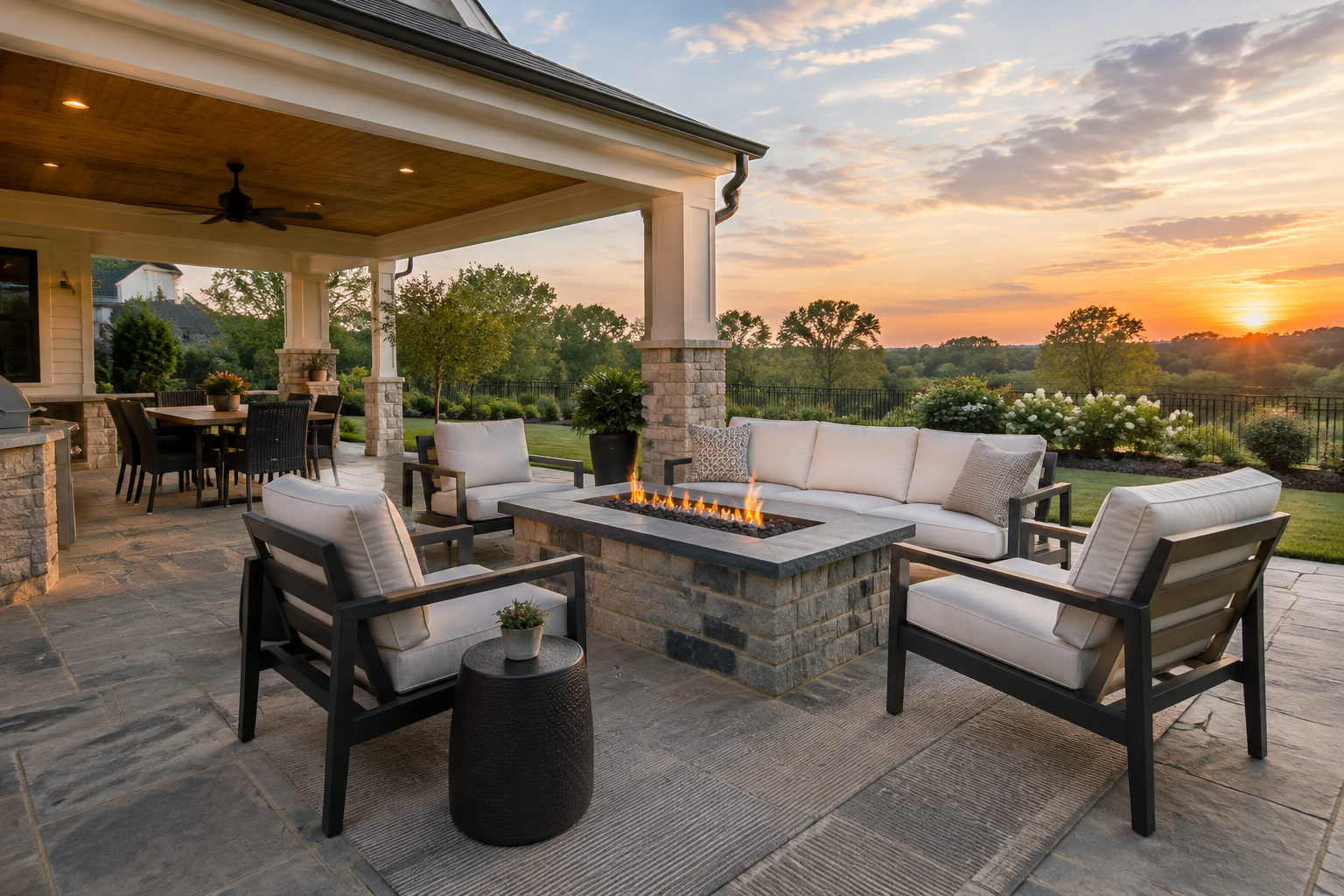
Outdoor living options for Columbia homes
Outdoor living improvements can be tailored to a compact yard, a broad lawn, or an existing deck or patio that needs a new purpose. The right plan starts with how you want to use the space—not with a particular feature. Some homeowners want an easy-to-maintain seating area; others are looking for room to cook, host guests, or create shade for everyday use.
Depending on your property and goals, a project may include a patio or deck, a pergola or other shade structure, an outdoor kitchen, lighting, seating areas, or complementary landscape details. These elements can be planned together so that movement between the house and yard feels natural. A cohesive design may also help define separate areas for dining, relaxing, and gathering without making the outdoor space feel crowded.
Plan around your property and routine
Columbia properties vary in layout, slope, sun exposure, and existing features. During planning, it is useful to consider where water flows after rain, which areas get strong afternoon sun, how people will reach the outdoor space from inside, and whether there are trees, utilities, or other constraints to account for. Tennessee weather also makes shade, drainage, durable finishes, and seasonal maintenance worthwhile topics to discuss.
Think about the practical details that will shape daily use. How many people should the space comfortably accommodate? Would you prefer room for a dining table, a lounge area, or both? Is lighting important for evenings? Would a covered area make the space more useful during changing weather? Sharing these priorities early gives a service provider a clearer basis for recommending a layout and appropriate materials.
What to expect when arranging service
Residents can begin by contacting an outdoor living provider to describe the project and ask about its service area, consultation process, and scheduling. Be ready to explain what you hope to change, share approximate dimensions if available, and mention any existing structures or features you want to keep. Photos can help communicate your ideas, though an on-site review may be needed to understand the property fully.
Before approving a proposal, ask for a clear description of the planned work, material options, estimated timeline, and what is included. Confirm how design changes are handled and whether permits or other approvals may be required for the proposed work. Requirements can depend on the project and property, so it is sensible to clarify responsibilities before construction starts. A written scope helps everyone understand the intended result and the next steps.
Benefits of a professionally planned space
Professional guidance can help bring design, construction details, and everyday function together. Instead of choosing features one at a time, homeowners can consider how the whole area will work, including access, shade, seating, lighting, and upkeep. Careful planning can also help identify practical concerns earlier, reduce avoidable changes during the project, and make it easier to select finishes suited to outdoor exposure.
- More usable space: Create defined areas for dining, relaxing, or entertaining.
- A design that fits: Coordinate the layout with your home, yard, and preferred style.
- Clearer project decisions: Compare materials, features, scope, and timing before work begins.
- Everyday comfort: Consider shade, lighting, circulation, and maintenance as part of the plan.
With a clear plan and a provider who communicates well, an outdoor living project can be a practical way to make your Columbia home more enjoyable. Start with the uses that matter most, then build a design around your property and priorities.
Outdoor Living in Columbia, TN
Columbia offers a variety of home and property settings, so outdoor living plans are most effective when they respond to the specific yard rather than relying on a one-size-fits-all design. A shaded seating area may suit one home, while another may benefit from a larger patio or a more defined space for outdoor meals. Considering sun, drainage, access, and existing features helps make improvements feel at home on the property.
The area's warm seasons invite time outside, while rain and seasonal weather make material selection and practical planning important. Columbia residents can work with an outdoor living service to discuss goals, review possible layouts, and understand the project scope before committing. Whether you are improving a small gathering spot or planning several connected features, professional support can help balance comfort, appearance, and upkeep. Beginning with a clear list of priorities makes it easier to explore options that fit your home and the way you want to use your outdoor space.
Frequently Asked Questions About Outdoor Living in Columbia, Tennessee
What outdoor living features should I consider for my Columbia, TN home?
Start with how you want to use the space: dining, relaxing, cooking, or gathering with family. A patio can create a practical base, while a pergola or other shade feature can make it more comfortable during warm, sunny weather. Seating, lighting, planting, and an outdoor kitchen can be added according to your priorities and available space. A thoughtful layout connects the area to your home and leaves clear paths for everyday movement.
Which materials work well for an outdoor patio in this area?
Concrete, pavers, and natural stone can all be considered for a patio, but the right choice depends on appearance, maintenance preferences, site conditions, and how the space will be used. Ask how each option handles water, temperature changes, surface texture, and cleaning. In Columbia, planning for warm, humid weather and periods of rain is useful. A qualified contractor can assess the ground and explain the care requirements of materials before you decide.
How can an outdoor living project handle rain and drainage?
Good drainage starts with understanding where water flows across the yard and how the proposed patio or structure could change that flow. The design should direct runoff away from the home and avoid creating low spots where water can collect. Depending on the site, solutions may include grading, drainage channels, or permeable surfaces. Before construction, discuss existing drainage concerns and ask how the finished work will manage rain without sending water toward neighboring properties.
Can I build my outdoor living area in stages?
Yes. A phased plan can help you prioritize the features you need most while keeping future additions in mind. For example, you might begin with the patio and basic access, then add shade, lighting, seating, or cooking features later. It is helpful to plan the overall layout first, including any needed utilities, so later work does not require avoidable changes to completed areas. Ask your contractor to identify practical phases and dependencies before work begins.
Do I need approval before adding a pergola, deck, or outdoor kitchen?
Requirements can depend on the structure, its size and location, property conditions, and whether electrical, gas, or plumbing work is involved. Before construction, check current requirements with the appropriate Columbia or local building and planning office, and confirm any applicable property or neighborhood restrictions. Your contractor can help identify questions to ask, but you should verify approvals directly with the relevant authority. Planning this early can help prevent delays or changes after the design is finalized.