
Outdoor Living Contractors Serving Spring Hill, Tennessee
A well-planned outdoor space can make your home more comfortable and useful through changing seasons. In Spring Hill, Tennessee, homeowners can work with outdoor living contractors to explore options such as patios, decks, outdoor kitchens, pergolas, fire features, and landscape improvements. The right project depends on how you want to use your yard, the condition of the site, and the features that suit your home and budget.
Getting started is straightforward: define your priorities, arrange a conversation with a contractor serving Spring Hill, and discuss the space, design, materials, timing, and next steps. A local professional can assess the area, help identify practical opportunities and constraints, and explain which details may need additional planning. Comparing proposals and asking clear questions can help you choose a solution that fits your needs rather than adding features you may not use. Whether you are updating an existing patio or planning a more complete outdoor living area, professional guidance can help turn your ideas into a workable project.
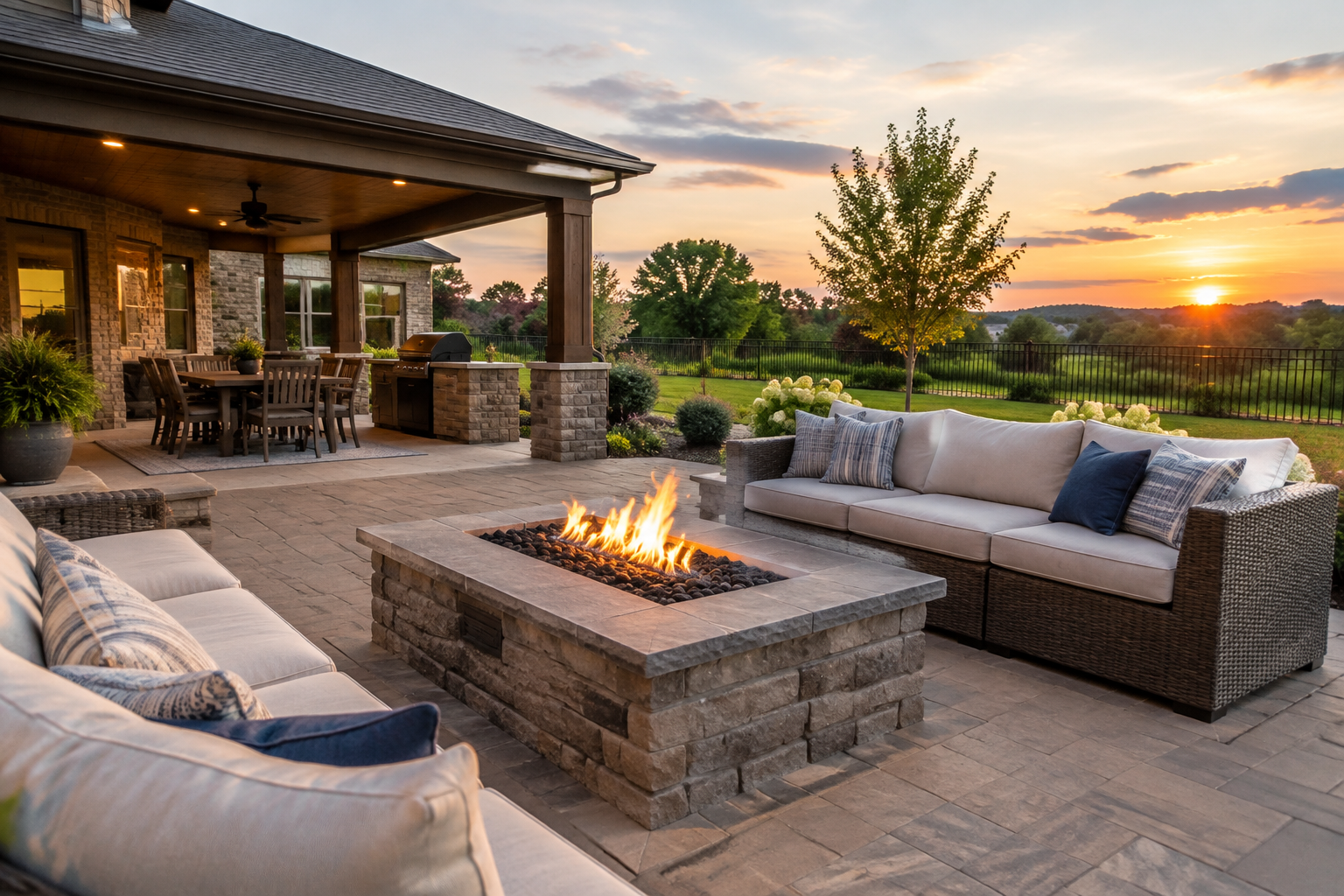
Plan an outdoor space around the way you live
Outdoor living projects can create a more inviting place to relax, dine, entertain, or spend time with family. A contractor serving Spring Hill can help you consider how your yard connects to the home and which improvements make sense for your everyday routines. Some homeowners want a comfortable seating area; others are looking for room to cook outdoors, shade for sunny afternoons, or a safer, more accessible route through the yard.
Rather than choosing features first, begin with the purpose of the space. Think about who will use it, how often you expect to entertain, and what would make your outdoor area easier to enjoy. Those answers give a contractor a useful starting point for discussing layout, materials, lighting, planting, and other options.
Outdoor living services to consider
Depending on your property and goals, an outdoor living contractor may help plan or build:
- Patios, walkways, and outdoor seating areas
- Decks, steps, railings, and connections to the house
- Pergolas, shade structures, and covered gathering spaces
- Outdoor kitchens, counters, and dining areas
- Fire features and places to gather in cooler weather
- Landscape updates, lighting, and practical drainage improvements
Available services vary by contractor, and some projects require specialized trades or additional approvals. Ask who will handle each part of the work and whether coordination with other professionals is needed. A clear scope helps you understand what is included before construction begins.
What to expect when contacting a contractor
When you reach out, describe your goals and share any details that may affect the project, such as the approximate size of the area, existing structures, access to the yard, and features you hope to keep. Photos can help communicate your ideas, though an on-site assessment may be needed to evaluate grading, drainage, utilities, and the relationship between the house and the proposed work.
Ask about the design and estimate process, expected project stages, material choices, scheduling, and how changes are handled. Request a written proposal that explains the work, key materials, allowances, payment terms, and any exclusions. Before hiring, verify relevant licensing or credentials where applicable, insurance, references, and any required permits. Requirements can depend on the project and property, so confirm details with the contractor and the appropriate local authorities.
Choose features that fit your property
Spring Hill homes and yards differ, so a design that works on one property may not suit another. Sun exposure, slope, soil conditions, drainage, existing trees, and the available space can all influence placement and material choices. Tennessee weather includes seasonal heat, rain, and cooler periods; discuss how the design and selected materials will perform over time and what maintenance they may require.
It can also help to plan in stages. For example, you might first address grading and a patio, then add shade, lighting, or an outdoor kitchen later. A thoughtful layout can leave room for future improvements while keeping the initial project manageable. Be sure the contractor explains how each planned feature fits the overall design.
Make an informed decision
Compare proposals based on scope, quality, communication, and suitability—not price alone. A useful contractor conversation should leave you with a clearer understanding of the options, likely trade-offs, and steps needed to move forward. With careful planning, Spring Hill homeowners can create outdoor areas that feel connected to their homes and are designed for the way they want to spend time outside.
Outdoor Living in Spring Hill
Spring Hill offers homeowners a mix of established neighborhoods and newer residential areas, with outdoor spaces that can serve different purposes from one property to another. Some yards may be suited to a compact patio or seating area, while others may have room for a deck, shade structure, outdoor cooking space, or a more extensive landscape plan. A contractor can help evaluate the site and tailor recommendations to the home instead of relying on a one-size-fits-all design.
The region’s changing seasons make comfort, durability, and maintenance important considerations. Planning for sun, rain, drainage, and cooler weather can help a space stay useful throughout the year. Local residents can begin by identifying how they want to use the yard, then contact contractors who serve Spring Hill to discuss design, construction, materials, and project requirements. Asking for a written scope and confirming applicable approvals helps set clear expectations. The result can be a more functional extension of the home, shaped around the household’s priorities and the conditions of the property.
Frequently Asked Questions About Outdoor Living in Spring Hill, Tennessee
What can an outdoor living project include for a Spring Hill home?
An outdoor living project can range from a simple patio to a coordinated space with seating, paths, lighting, shade, or an outdoor kitchen. Start by deciding how you want to use the area—dining, relaxing, entertaining, or a mix—and how many people it should accommodate. The layout should also consider access from the house, privacy, sun exposure, and available yard space. A clear priority list helps shape a practical design and avoid adding features that do not support your needs.
How should drainage be considered when planning a patio or outdoor living area?
Drainage should be planned before the patio or other hard surfaces are installed. Water needs a suitable route away from the home and should not be directed toward neighboring properties or areas where it may pool. The design may need to account for existing slopes, downspouts, soil conditions, and the amount of paved surface. A site assessment can help identify concerns and determine whether grading, drainage features, or adjustments to the layout are appropriate.
How do I choose materials for an outdoor living space?
Choose materials based on appearance, upkeep, comfort, and how the space will be used. Compare options for patios, walls, and walkways for their texture, color, slip resistance, and maintenance needs. Also consider how much direct sun or moisture each area receives and whether furniture or cooking equipment will sit on the surface. For a home in Spring Hill, reviewing material samples in the actual setting can help you judge how they look alongside the house and landscape.
Do I need approval or permits for an outdoor living project in Spring Hill?
Requirements depend on the project’s features and where the property is located. A basic patio may be treated differently from a structure with a roof, electrical work, plumbing, or a built-in cooking area. Before construction, check with the relevant city or county department about permits, inspections, property-line rules, and any applicable neighborhood restrictions. If your project includes utility connections or structural work, ask which qualified professionals need to be involved and confirm requirements before finalizing plans.
What maintenance should I expect after installing an outdoor living area?
Maintenance depends on the materials and features you choose. Most outdoor spaces benefit from regular sweeping, removing leaves and debris, and checking joints, drains, and edges for buildup or movement. Clean cooking equipment according to its manufacturer’s instructions, and inspect wood, metal, or fabric components for wear. Some surfaces may need periodic sealing or other care, while others require less attention. Ask for material-specific guidance so you can plan upkeep that fits your routine.