
Outdoor Living Contractors Serving Lewisburg, Tennessee
A thoughtfully planned outdoor space can make everyday time at home more comfortable, create room to gather, and help you enjoy your property through changing seasons. In Lewisburg, homeowners can work with outdoor living contractors to plan and build features such as patios, decks, pergolas, outdoor kitchens, fire features, and landscape lighting. The right project depends on how you use your yard, the shape and slope of the site, and the level of care you want to take on over time.
Getting started usually means discussing your goals, reviewing the existing yard, and setting a practical budget and timeline. A contractor can help compare materials, explain construction options, and coordinate the steps involved in turning an idea into a usable space. Whether you want a simple patio for outdoor meals or a more complete entertaining area, a clear plan helps make sure the finished work suits your home and daily routine. Ask about site preparation, drainage, permits when applicable, project scheduling, and what is included in the estimate before work begins.
Plan an outdoor space around the way you live
Outdoor living projects work best when they respond to the home, yard, and household using them. Before choosing a feature, consider how you want to spend time outside. You might need a comfortable place for meals, a level surface for children to play, a shaded spot for relaxing, or a layout that makes it easier to host friends and family. Sharing these priorities with a contractor gives the planning process a useful starting point.
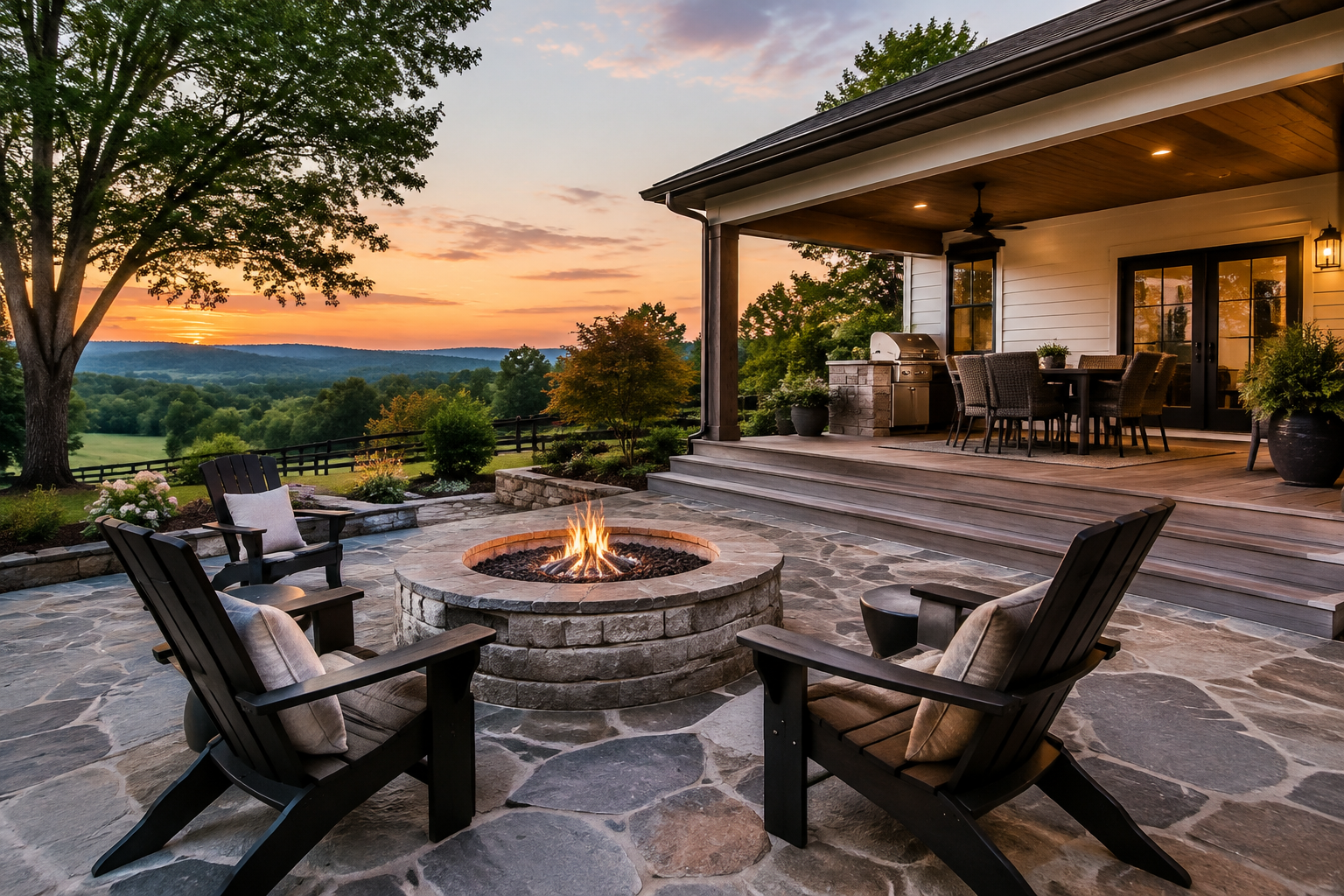
Outdoor living contractors serving Lewisburg can assess the site and discuss how different elements may fit together. A patio might connect the back door to a seating area, while a pergola can add overhead definition and filtered shade. Decks, steps, retaining features, lighting, and planting can also be considered as part of a coordinated plan. The aim is not simply to add features, but to create a functional transition between the house and yard.
Services to discuss with a contractor
Available work varies by contractor, so ask which parts of your project they handle and whether specialized trades are involved. Common outdoor living options include:
- Patios and hardscaping: Paved areas for seating, dining, and movement between outdoor zones.
- Decks and platforms: Elevated or ground-level structures designed to suit the home and site.
- Pergolas and shade structures: Features that give an outdoor area a defined, more sheltered feel.
- Outdoor kitchens and dining areas: Cooking and serving spaces planned around utilities, access, and upkeep.
- Fire features and lighting: Options for extending the usefulness and atmosphere of an outdoor gathering space.
- Drainage and site preparation: Grading or water-management work that may be needed before construction.
Not every yard needs all of these elements. A contractor can help prioritize improvements, identify constraints, and consider whether a project should be completed in stages. This can keep the design focused on the features that matter most to you.
What to expect when arranging outdoor living work
Begin by collecting a few reference photos or making a short list of what is not working in the current yard. Think about where sun and shade fall at different times, how people will reach the space, and what needs to be stored or maintained. During an initial conversation, ask the contractor to explain how they evaluate the site and develop a proposal. A site visit can help clarify access, ground conditions, dimensions, drainage, and connections to the house.
Request a written estimate that describes the scope, materials, preparation, expected schedule, and payment terms. Ask how changes are handled if site conditions differ from expectations. If the project may require permits or inspections, confirm who will check applicable local requirements and coordinate those steps. Requirements depend on the type and location of work, so do not assume they are the same for every project.
It is also useful to discuss maintenance before selecting finishes and materials. Exposure to weather, regular use, and nearby landscaping can affect how surfaces look and what care they need. A contractor can explain the practical differences between options, but the choice should reflect your preferred appearance, budget, and willingness to maintain the finished space.
Choose a contractor with clear communication
Compare contractors based on the relevance of their experience, the clarity of their proposed scope, and how comfortably they answer questions. Ask who will manage the work, how the site will be protected, and how progress updates will be shared. If the project includes several features, make sure responsibilities and coordination are understood before construction starts. A written agreement helps both sides keep expectations aligned.
For homeowners in Lewisburg, working with an outdoor living contractor can simplify the path from an early idea to a usable yard. Start with the purpose of the space, ask practical questions, and choose a plan that fits the property as well as your budget. Careful planning can help create an outdoor area that feels connected to the home and is ready for everyday use.
Outdoor Living for Lewisburg Homes
Lewisburg is the county seat of Marshall County in Middle Tennessee, where homeowners experience warm seasons suited to spending time outdoors as well as cooler and wetter periods that make durable planning important. A well-designed patio, deck, or covered seating area can offer a comfortable setting for meals, quiet breaks, and gatherings at home. Shade, water management, and appropriate materials are worth considering as part of a project rather than as afterthoughts.
Every property is different, so local homeowners can benefit from discussing the yard’s layout, access, and existing conditions with an outdoor living contractor before settling on a design. A professional can help evaluate how a proposed space connects to the house, whether grading or drainage should be addressed, and which features are practical for the way the household uses its yard. Residents should also ask about local requirements that may apply to their specific work and confirm them before construction.
Whether you are planning a modest outdoor upgrade or several connected features, beginning with clear priorities makes it easier to compare options. A carefully scoped project can make more of the space you already have while keeping upkeep, budget, and everyday comfort in view.
Frequently Asked Questions About Outdoor Living in Lewisburg, Tennessee
What features can be included in an outdoor living space?
An outdoor living area can be as simple as a defined patio with seating or include several features, such as a deck, pergola, outdoor kitchen, fire feature, lighting, or built-in seating. The right combination depends on how you plan to use the space, the size and layout of your yard, and your budget. For a home in Lewisburg, start by listing everyday needs—such as dining, relaxing, or hosting—before choosing features and finishes.
How should I choose materials for an outdoor patio or deck?
Compare materials for durability, upkeep, comfort, appearance, and how they perform when exposed to sun and moisture. Concrete, pavers, natural stone, and decking each have different installation and maintenance needs. Consider whether the surface could become hot in direct sun, how easily it can be cleaned, and whether it suits the style of your home. Ask a qualified contractor to explain care requirements and prepare the base correctly for the selected material.
Do I need a permit to build an outdoor living area in Lewisburg?
Permit requirements can depend on the project’s size, structure, utilities, and exact location. A patio may be treated differently from a raised deck, roofed structure, outdoor kitchen, or installation involving electrical or gas work. Before construction, describe the proposed work to the appropriate local building or planning office and ask what approvals or inspections apply. Do not assume that a project is exempt simply because it is outdoors or attached to an existing home.
What should be addressed before adding a patio to a sloped or wet yard?
Begin with how water moves across the property. A contractor should assess slope, existing drainage, soil conditions, and the location of downspouts before recommending a patio layout or foundation. Poor planning can leave standing water, wash out base materials, or direct runoff toward the home. Depending on the site, the design may need grading, drainage improvements, retaining elements, or a different placement. Discuss these conditions early rather than treating them as finishing details.
Can an outdoor living space be designed for use beyond warm-weather gatherings?
Yes. The design can make the area more comfortable in a range of conditions by combining shade, weather-resistant furnishings, suitable lighting, and shelter where appropriate. A covered structure can help with sun or light rain, while a fire feature may extend comfortable use on cooler evenings when safely installed and operated. Think about wind exposure, ventilation, access from indoors, and how much maintenance you want. Your intended seasons of use should guide the layout and feature choices.