
Outdoor Living Contractors Serving Cookeville, Tennessee
A thoughtfully planned outdoor space can make home more comfortable and useful throughout the year. In Cookeville, homeowners can work with outdoor living contractors to explore options such as patios, decks, pergolas, outdoor kitchens, fire features, seating areas, and landscape lighting. The right plan depends on how you want to use your yard, the shape and slope of the property, and the features that make sense for your budget and upkeep preferences.
Getting started can be straightforward: describe your goals, share photos or measurements if available, and ask whether the contractor serves your part of Cookeville. A local project consultation can help identify practical design choices, likely preparation needs, and the steps involved before work begins. Whether you are updating an existing patio or planning a larger backyard renovation, clear communication helps you compare ideas and make informed decisions. Discuss materials, drainage, maintenance, scheduling, and any applicable approvals early so the finished space suits your home and how you live.
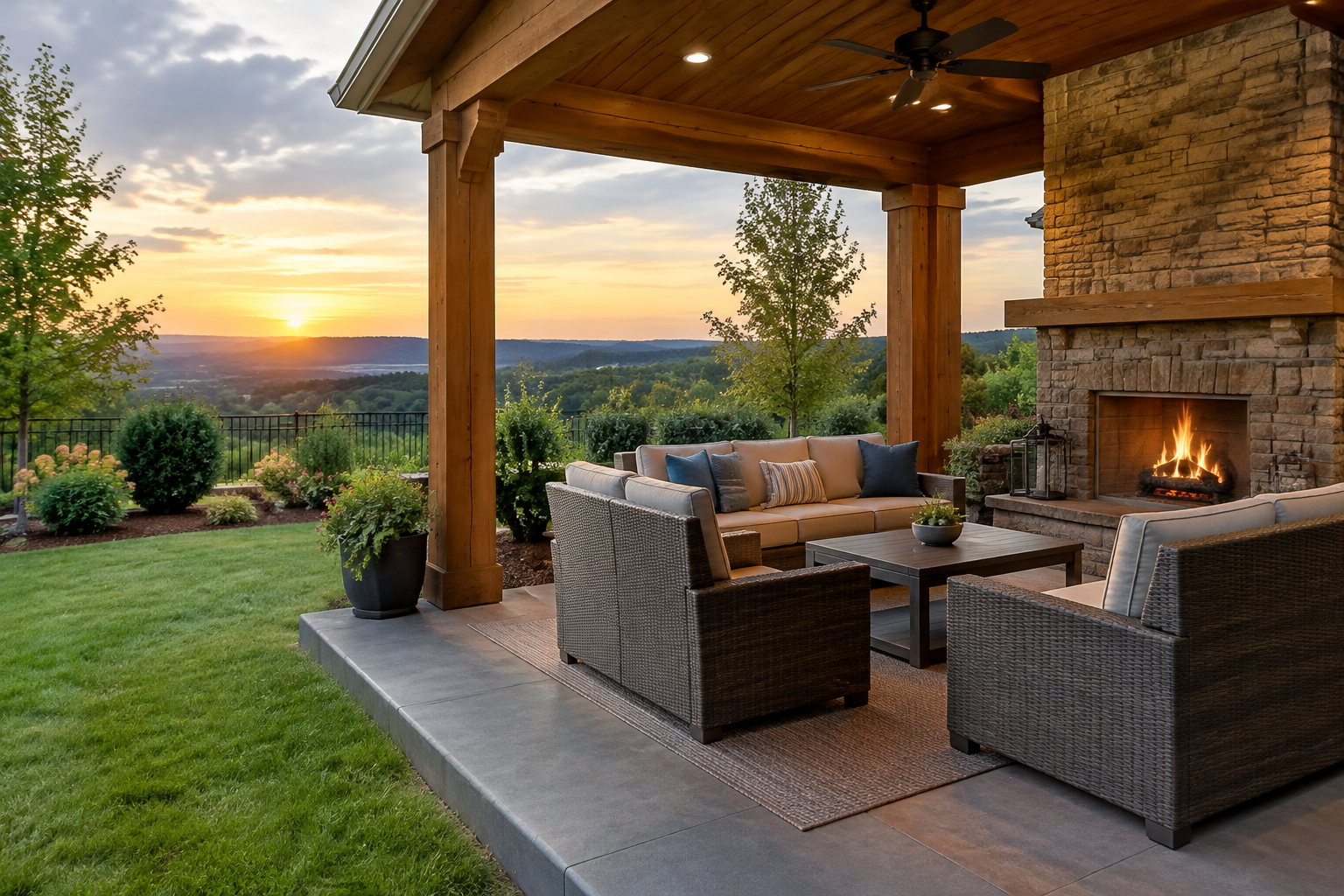
Plan an outdoor space around your home
Outdoor living projects work best when they begin with a clear picture of how the space will be used. Consider whether you want a place for family meals, a comfortable spot to relax, room for gatherings, or a safer connection between the house and yard. An outdoor living contractor serving Cookeville can help translate those priorities into a practical layout and explain which features may fit the property.
Common project options include patios and walkways, decks, covered areas, pergolas, outdoor kitchens, fire features, retaining elements, and lighting. Some homeowners start with one improvement and leave room for future additions. Others combine several features into a coordinated plan. The best scope is the one that supports your everyday use while accounting for the condition, size, slope, and access points of your yard.
What to consider in Cookeville
Cookeville's changing seasons make it useful to think about both sunny and wet weather when planning outdoor spaces. Shade, covered seating, slip-resistant walking surfaces, and suitable drainage may all be worth discussing, depending on the location and design. A contractor can assess how water moves across the site and identify potential preparation needs before recommending materials or construction details. Do not assume that a feature that works in one part of a property will suit another; site conditions matter.
Think about how the new space will connect to the house, existing landscaping, parking, and yard. Consider where you would like seating, how people will move between areas, and whether lighting would make the space more useful after dark. If you are considering cooking or fire features, ask about placement, ventilation, fuel arrangements, and safety requirements. Confirm applicable local approvals and utility-location steps before construction begins.
How to find and compare a contractor
When looking for outdoor living contractors serving Cookeville, ask whether they take projects in your area and whether their experience matches the work you have in mind. A useful first conversation covers your goals, approximate project scope, preferred timing, and any known site constraints. You can prepare by collecting inspiration images, noting what you like about your current yard, and listing questions about maintenance or accessibility.
- Request a written description of the proposed work, materials, and what is excluded.
- Ask how site preparation, drainage, cleanup, and changes to the plan will be handled.
- Discuss expected scheduling, communication, payment terms, and any workmanship coverage.
- Confirm who is responsible for checking permits, approvals, and utility locations when applicable.
- Compare proposals by scope and materials, not only by the final price.
These conversations help set expectations and make it easier to compare options. If a proposal is unclear, ask for clarification before agreeing to the work. Keep copies of the written scope and any approved changes so everyone has a shared understanding of the project.
From consultation to completed project
After you choose a contractor, the process commonly moves through planning, finalizing materials and details, preparing the site, construction, and a review of the completed work. The exact sequence varies with project size and conditions. Before work starts, confirm access arrangements, how the work area will be protected, and who to contact with questions. If your plans may affect drainage, property boundaries, utilities, or existing structures, raise those points during planning rather than waiting until construction.
Good design balances appearance with durability and care. Ask how proposed surfaces and features should be cleaned or maintained, and whether seasonal attention is recommended. A well-planned outdoor living area can create a more inviting place to relax and entertain while making better use of the yard. For Cookeville homeowners, starting with the way you actually use your outdoor space—and choosing a contractor who communicates clearly—can help make the project more manageable from the first conversation through completion.
Outdoor Living in Cookeville
Cookeville is a community in Tennessee's Upper Cumberland region, where homes and yards can vary in layout, grade, and exposure to sun and rain. That variety makes a site-specific approach important: a patio, deck, covered seating area, or outdoor kitchen should suit the property rather than rely on a one-size-fits-all plan. Homeowners can discuss shade, water management, access, and maintenance with contractors who serve Cookeville before deciding on a design.
An outdoor living area can make it easier to enjoy time at home, host friends and family, or create a comfortable transition between indoor rooms and the yard. Residents can begin by identifying their priorities, gathering a few ideas, and asking contractors about service availability, project scope, materials, and timing. Checking relevant approvals and utility-location requirements early can also help avoid preventable delays. Whether the goal is a simple seating area or a more complete backyard improvement, careful planning helps match the project to local conditions and household needs.
Frequently Asked Questions About Outdoor Living in Cookeville, Tennessee
What features should I consider for an outdoor living space in Cookeville?
Start with how you expect to use the space: dining, relaxing, cooking, or entertaining. A patio or deck can establish the main area, while shade from a pergola or covered structure may make it more comfortable in strong sun or rain. Consider seating, lighting, storage, and safe access to the house. Features such as an outdoor kitchen or fire feature can be added when they suit your budget, layout, and maintenance preferences.
Which materials are practical for an outdoor living area in Tennessee?
Choose materials based on exposure, upkeep, appearance, and how they handle changing weather. For paving, compare concrete, pavers, and natural stone for traction, drainage, and repair needs. For decks or structures, consider how wood, composite, or metal products perform in sun and moisture, and follow the manufacturer’s care guidance. Ask how finishes may age and whether surfaces need periodic sealing or cleaning. The right choice depends on your site and willingness to maintain it.
Do I need a permit to build a patio, pergola, or outdoor kitchen?
Permit requirements can depend on the project’s size, construction, location on the property, and connections for electricity, gas, or plumbing. Before work begins, describe the planned features to the appropriate local building or zoning office and ask what approvals or inspections may apply. Also check property-line limits and any applicable neighborhood or property restrictions. Confirming requirements early can help prevent delays or changes after materials have been selected.
How can I keep rainwater from collecting around my patio?
Drainage should be considered before choosing finishes or installing a patio. The design needs to direct water away from the house and avoid sending runoff toward neighboring property. Site grading, suitable base preparation, joints, drains, or other drainage measures may be appropriate depending on soil and slope. If water already pools in the yard, identify where it comes from and where it can safely go before construction. A site assessment can help determine the practical approach.
Can an outdoor living area work in a small or sloped yard?
Yes. A useful layout can be designed around the space available rather than relying on a large, flat lawn. In a compact yard, combine functions—for example, a dining area that also serves as a gathering space—and keep pathways clear. On a slope, the design may use terracing, steps, or retaining elements, depending on the grade and drainage. Prioritize safe access and stable surfaces, and have site conditions assessed before settling on a layout.