
Lewisburg, Kentucky Outdoor Living Construction Company
A well-planned outdoor space can make it easier to relax, gather with family, and enjoy more of your home throughout the year. In Lewisburg, homeowners can explore outdoor living construction that suits their property, preferred style, and everyday routines. Options may include a patio or deck, a covered seating area, a pergola, an outdoor kitchen, improved walkways, lighting, or a combination of features designed to work together.
Getting started is straightforward: consider how you want to use the space, identify any practical concerns, and speak with an outdoor living contractor about the site and possible design. A contractor can help assess the yard, discuss materials and maintenance, and explain how construction can be planned around access, grading, drainage, and existing structures. Whether you want a quiet place to unwind or a more functional setting for hosting guests, a thoughtful design can help you make better use of your outdoor area. Local residents can request a conversation about their goals and learn what project scope is appropriate for their home.
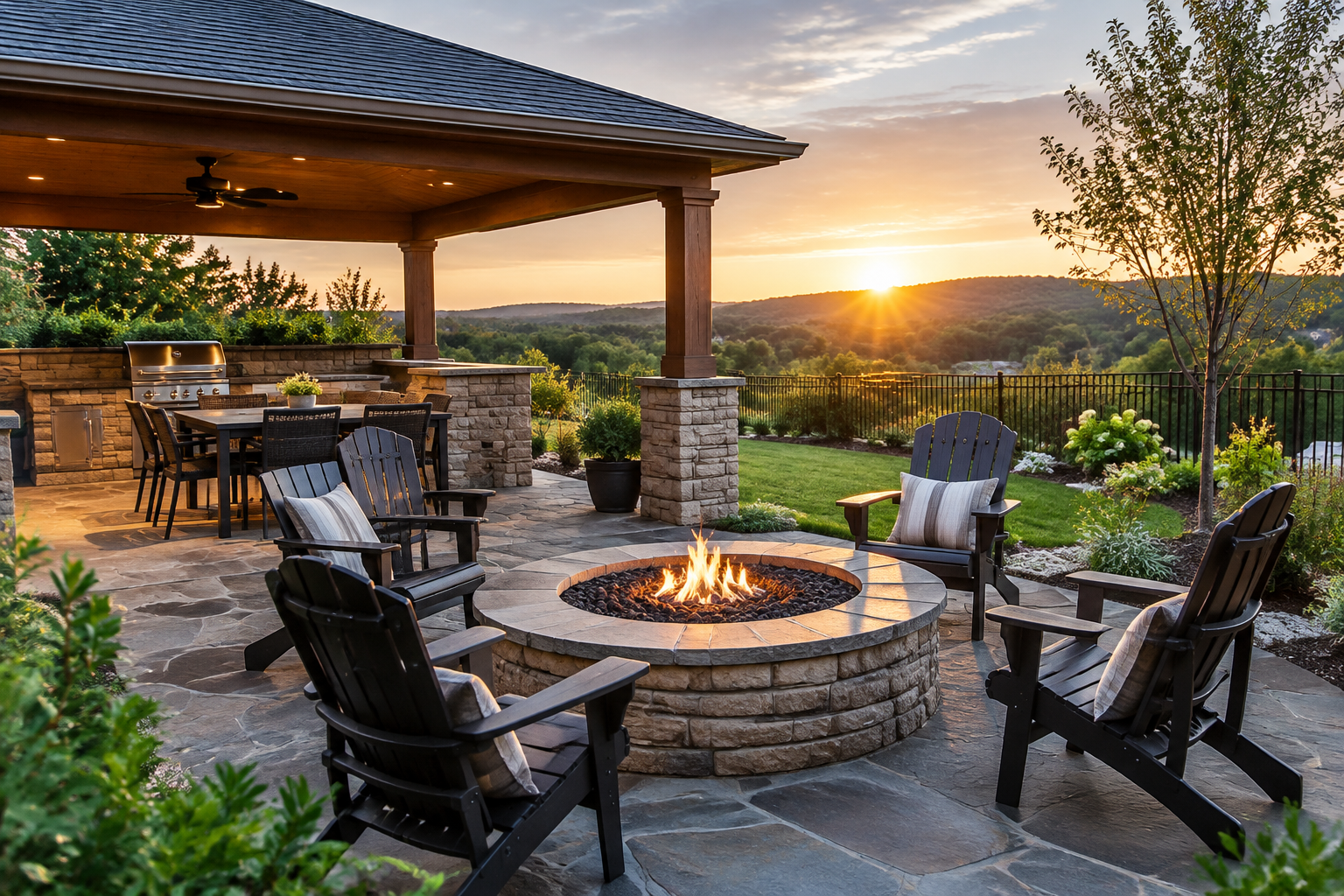
Plan an outdoor space around your home
Outdoor living construction can turn an underused yard, porch, or existing patio into a more comfortable extension of the home. The right project depends on the property and the way you expect to use it. Some Lewisburg homeowners may want a simple place for outdoor dining, while others may be considering a larger gathering area with defined spaces for cooking, seating, and relaxing.
Start by listing the activities that matter most. Think about how many people you usually host, whether you prefer shade, how you move between the house and yard, and what kind of upkeep fits your schedule. These details help a contractor recommend a practical layout instead of adding features that do not serve your needs.
Services and features to consider
An outdoor living construction project may include one feature or several coordinated improvements. Depending on your property and plans, possibilities include:
- Patios and walkways: Create a stable surface for seating, dining, and moving around the yard.
- Decks and porches: Add or improve an outdoor platform connected to the home.
- Pergolas and covered areas: Introduce shade and define a comfortable gathering spot.
- Outdoor kitchens: Plan a functional area for preparing and serving food outside.
- Fire features and seating areas: Give a yard a focal point for conversation and relaxation.
- Lighting and finishing details: Support visibility and help the space feel cohesive after sunset.
Not every property needs every feature. A well-designed project balances appearance with practical considerations such as drainage, changes in elevation, access to utilities, privacy, and the relationship between new construction and the existing home.
How to get started in Lewisburg
Begin with a consultation about your goals and the area you want to improve. Be ready to describe how you use the yard, what is not working now, and any ideas or inspiration you have collected. If possible, note where you would like seating, shade, cooking, or a path between outdoor areas. A contractor can review the site, discuss feasible options, and help shape those ideas into a design and project scope.
Before work begins, ask for a clear explanation of the proposed materials, construction steps, schedule expectations, and maintenance needs. Discuss how the project will account for the ground conditions and water movement on your property. If the design involves structures, utilities, or other regulated work, ask what reviews, approvals, or permits may apply and who is responsible for confirming them. Requirements can depend on the details of a project, so they should be checked rather than assumed.
Benefits of professional outdoor construction
Working with an experienced outdoor living contractor can help connect design choices with construction details. A unified plan may reduce awkward transitions between the house, patio, lawn, and garden. It can also help you make informed decisions about durability, comfort, and care before materials are selected. Professional planning is especially useful when a project combines multiple elements or needs to accommodate slopes, drainage, or limited access.
For Lewisburg residents, the aim is not simply to add more construction, but to create a space that feels useful at home. A carefully planned patio, shaded seating area, or outdoor cooking zone can support everyday routines and make gatherings more comfortable. Discuss your priorities with a local service provider to determine which improvements fit your property, budget, and long-term plans.
Outdoor Living for Lewisburg Homes
Lewisburg is a small community in Kentucky where homes and outdoor spaces can differ from one property to another. That makes a site-specific approach valuable: the best design for one yard may not suit another. Factors such as the shape of the property, existing landscaping, access from the house, sun and shade, and how water moves across the ground can all influence the right construction plan. A contractor can discuss these conditions with you and help prioritize improvements that make sense for your home.
Outdoor living features can support a range of local lifestyles, from creating a simple spot for morning coffee to making room for outdoor meals and family gatherings. Patios, decks, covered seating, walkways, and lighting can be planned individually or as parts of a coordinated project. Residents can begin by describing how they want to use their space, then review design possibilities, materials, construction details, and applicable project requirements with a qualified provider. The result should be comfortable, practical, and suited to the way you live—not a one-size-fits-all design.
Frequently Asked Questions About Outdoor Living in Lewisburg, Kentucky
What kinds of outdoor living projects can be planned for a home in Lewisburg?
Outdoor living can include patios, decks, pergolas, covered seating areas, fire features, outdoor kitchens, and paths connecting different parts of the yard. The right combination depends on how you want to use the space, the available yard area, and your home’s layout. A useful first step is to list priorities—such as dining, relaxing, or entertaining—and decide which features matter most. This helps shape a cohesive plan rather than a collection of unrelated additions.
How should I prepare my yard for an outdoor living project?
Start by considering how water moves across the yard, where sunlight and shade fall throughout the day, and how people will reach the new space from the house. Note existing trees, slopes, utility features, and areas that become muddy or difficult to use. These details can affect placement, drainage, access, and material choices. Before work begins, confirm property boundaries and check applicable local requirements; a project professional can help identify site conditions that need further review.
Which materials are practical for a patio or deck in this area?
Material choice depends on appearance, upkeep, budget, and how the space will be used. Concrete, pavers, and natural stone are common patio options, while decks may use wood or composite products. Compare how each material handles moisture, sun exposure, surface temperature, cleaning, and periodic maintenance. Ask to review samples and discuss installation needs for your particular site. The best option is one that fits the home, performs well under expected use, and is manageable to care for.
Can an outdoor kitchen be added to an existing patio?
Often, an existing patio can be part of an outdoor kitchen plan, but its size, condition, access, and ability to support the proposed equipment should be assessed first. The layout should leave comfortable room for cooking, serving, and moving around seating areas. Consider whether the design needs electricity, water, drainage, or fuel connections, since those requirements can affect scope and placement. Confirm applicable permits and utility requirements before construction, rather than assuming an existing patio is ready for every addition.
How can I make an outdoor living area easier to maintain?
Choose finishes and furnishings based on the care you are willing to provide. Some surfaces need periodic sealing or cleaning, while planted areas may require trimming, watering, and seasonal attention. Plan for leaves and rainwater to drain away, and keep access available for routine upkeep. Durable, straightforward materials and a layout without hard-to-reach corners can reduce effort. Ask about care instructions for each selected product so you know what maintenance to expect after installation.