Experienced Bathroom Remodel Contractors in Smithville, Tennessee
Planning a bathroom remodel in Smithville, Tennessee, starts with choosing improvements that suit your home, your routine, and your budget. Experienced bathroom remodel contractors can help coordinate the work, from updating a shower or vanity to reworking storage, lighting, flooring, and fixtures. A well-planned renovation can make a bathroom easier to use and maintain while giving the room a more comfortable, refreshed appearance. Before work begins, discuss the scope, materials, schedule, and how the contractor will handle preparation, cleanup, and unexpected conditions behind walls or under flooring. Ask for a written estimate and confirm who is responsible for permits when they are required. It is also useful to compare relevant project experience, references, and proof of insurance, and to make sure proposed products suit your needs for durability and water resistance. Whether you are considering a modest update or a more extensive renovation, clear communication helps keep decisions and expectations aligned. With thoughtful planning and a qualified professional, Smithville homeowners can shape a bathroom that works better for everyday life and feels at home in the character of their property.
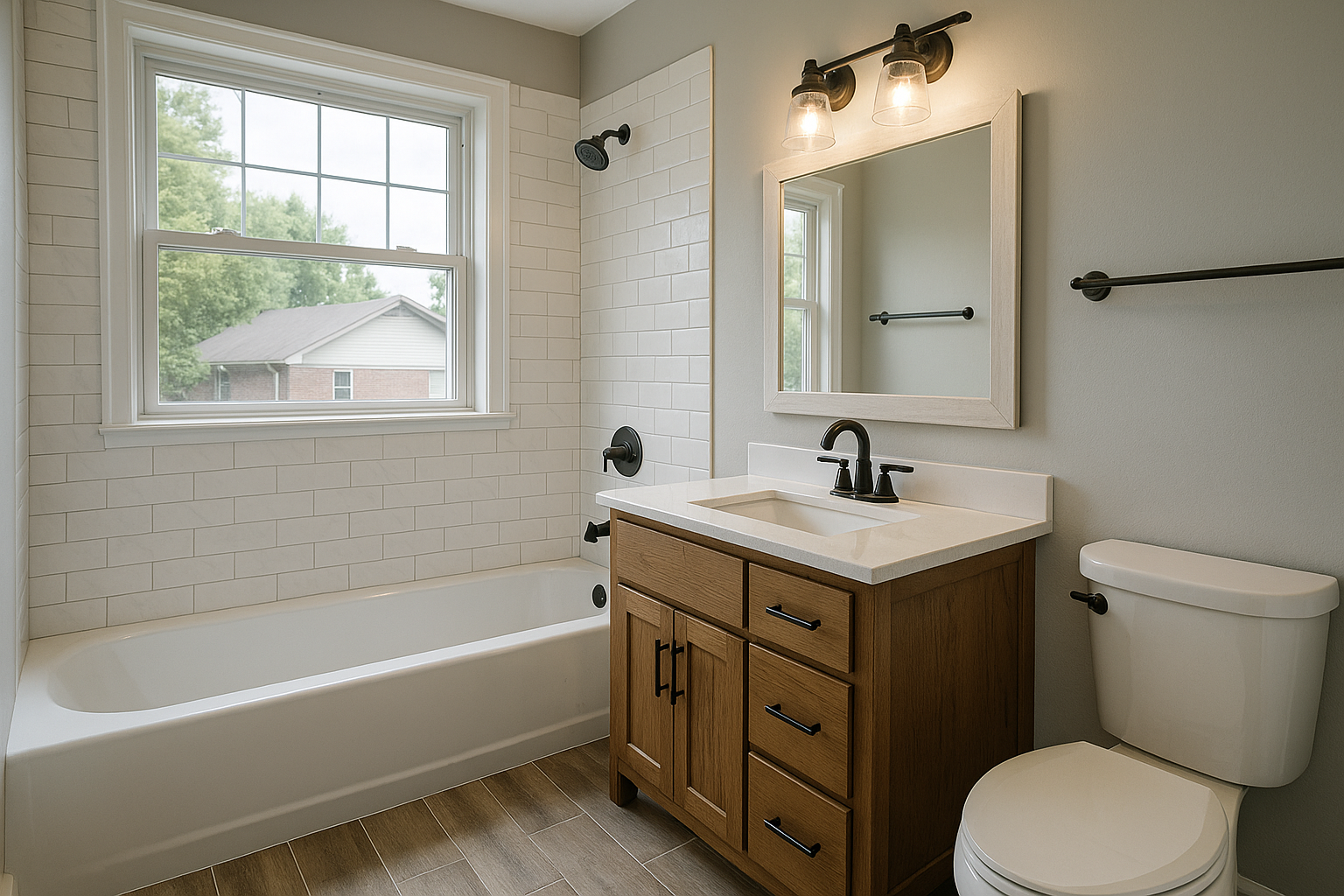
Whether you are refreshing a small guest bath or planning a more complete renovation, working with a qualified contractor can make the project easier to manage. A professional can assess the existing space, discuss your priorities, and help identify choices that suit your home, schedule, and budget. For Smithville homeowners, that local service begins with a conversation about the bathroom’s current condition and how you would like it to function.
Plan a bathroom remodel around your needs
Start by listing what is not working and what you hope to improve. You may want a more accessible shower, easier-to-clean surfaces, additional storage, updated fixtures, or a brighter and more comfortable room. Sharing these priorities early helps a contractor develop a scope of work that is specific to your home rather than relying on a one-size-fits-all plan.
During an initial consultation, discuss the existing plumbing and electrical setup, ventilation, flooring, and any signs of moisture damage. The contractor can explain which items may be updated without changing the layout and which changes could require additional work. Ask how the project will be phased, what decisions you need to make before work begins, and how the household can prepare for the bathroom to be temporarily unavailable.
Choose materials for lasting use
Bathroom materials should balance appearance, durability, maintenance, and cost. Options for tile, flooring, countertops, cabinetry, lighting, and plumbing fixtures vary widely. A contractor can explain the practical differences and help you select products appropriate for the space. Good ventilation and careful installation also matter in a room exposed to frequent moisture. Discuss fan performance, water-resistant finishes, and details such as grout and caulking as part of the plan.
It is useful to review samples and product specifications before making final selections. Confirm which materials are included in the estimate, who will order them, and how substitutions will be handled if an item becomes unavailable. These details help reduce surprises and keep the design, schedule, and budget aligned.
Know what to ask before hiring
Before choosing a bathroom remodel contractor, compare written proposals and ask how the work will be managed. Look for a clear description of the project, payment schedule, estimated timeline, and responsibilities for cleanup and disposal. You can also ask about relevant experience, insurance, references, and who will be your point of contact during construction. Review the agreement carefully and make sure any changes to the original scope are documented.
- Request an itemized estimate and clarify what is excluded.
- Ask who obtains any required permits and how local requirements will be checked.
- Discuss access to the home, work hours, dust control, and protection for nearby rooms.
- Confirm how progress updates, inspections, and unexpected repairs will be handled.
From consultation to completion
Once you select a contractor, the next steps generally include confirming the design, finalizing materials, preparing the work area, and scheduling installation. Depending on the scope, the project may involve demolition, plumbing or electrical updates, repairs, new surfaces, fixture installation, and finishing work. The sequence and duration depend on the room and the choices made, so ask for a realistic schedule rather than assuming every remodel follows the same timeline.
Stay in touch throughout the project and raise questions promptly. Before final payment, walk through the completed bathroom with the contractor, review any agreed-upon adjustments, and ask about product care and warranty information. A thoughtful plan and clear communication can help Smithville residents create a bathroom that is comfortable, functional, and suited to daily life.
Bathroom Remodeling in Smithville
Smithville is the county seat of DeKalb County in central Tennessee, a small city serving as a local hub for nearby communities. The area is associated with Center Hill Lake and the surrounding countryside, while town life also connects residents with everyday services and routes through the region. Homes in and around Smithville vary in age, layout, and maintenance needs, so bathroom renovation plans are best shaped around the specific property rather than a one-size-fits-all design. A contractor should assess existing plumbing, ventilation, flooring, and wall conditions before recommending the scope of work.
For local homeowners, a bathroom remodel may be an opportunity to improve storage, replace worn finishes, update fixtures, or make the room more accessible. The right choices depend on household priorities, the home's existing systems, and the budget. When comparing contractors, ask about experience with projects similar in scale, a clear written scope, product and labor expectations, and coordination of any required permits or inspections. Discuss scheduling and how the work will affect access to the bathroom, especially if the home has only one. Careful planning can help make a renovation practical for Smithville living while respecting the character and needs of the individual home.
Frequently Asked Questions About Bathroom Remodel in Smithville, Tennessee
What should I consider before starting a bathroom remodel in Smithville?
Begin by listing what is not working in the current bathroom, such as limited storage, poor lighting, or a difficult-to-use tub. Decide which changes are essential and which are optional, then set a budget range that includes materials, labor, and a contingency for hidden conditions. Measure the room and gather inspiration, but keep plumbing locations and ventilation in mind. A site assessment can help clarify the scope, material choices, and any local approval requirements to verify.
How long does a bathroom remodel usually take?
The schedule depends on the size of the room, the amount of demolition, material availability, and whether plumbing or electrical work needs to change. A surface update may take less time than a full renovation involving a new layout or repairs behind walls. Before work begins, ask for a written sequence of project stages and identify decisions that could delay progress, such as tile or fixture selections. Confirm how the household can access a bathroom during construction.
Can I change the layout of my bathroom during a remodel?
Yes, a remodel can sometimes move a shower, toilet, vanity, or other fixtures, but feasibility depends on the existing plumbing, framing, ventilation, and available space. Relocating fixtures can add work compared with replacing them in their current positions. Discuss how the proposed layout affects clearances, storage, lighting, and daily use. A contractor can inspect the room and explain practical options before plans are finalized, including whether any approvals should be checked for the project.
How can I prevent moisture problems in a remodeled bathroom?
Moisture control starts with correctly installed waterproofing in wet areas, sealed transitions, and suitable materials for floors and walls. Effective ventilation is also important: an exhaust fan should be appropriately selected and vented, and it should be used during and after bathing as needed. Ask how the shower or tub assembly will be protected before tile or wall finishes are installed. Routine care, prompt attention to leaks, and keeping grout and sealants maintained help protect the finished room.
What bathroom materials are easiest to maintain?
Choose finishes based on cleaning habits, household needs, and the amount of moisture each surface receives. Porcelain tile and other bathroom-rated surfaces are common options, while grout lines may need periodic cleaning and care. For counters, flooring, and shower walls, compare water resistance, slip considerations, durability, and the manufacturer's maintenance instructions rather than appearance alone. Bring samples together when selecting colors and finishes, and confirm that each product is appropriate for its intended location before purchase.