Experienced Bathroom & Kitchen Remodel Contractors in White House, Tennessee
A bathroom or kitchen remodel can make everyday routines more comfortable while helping your home work better for the way you live. White House homeowners can start by describing what they want to change, setting a realistic budget, and speaking with remodel contractors who serve the area. Whether you are considering updated fixtures, better storage, a new layout, or a more accessible bathroom, a clear plan makes it easier to compare options and understand the work involved.
Begin with a consultation to discuss your goals, the condition of the space, and your preferred timing. Ask how the contractor handles design choices, material selection, scheduling, cleanup, and communication during construction. A written scope of work and estimate can help you see what is included and identify decisions that may affect cost or timing. Taking time to plan can make the renovation process more predictable and help you choose improvements that suit both your home and your daily needs.
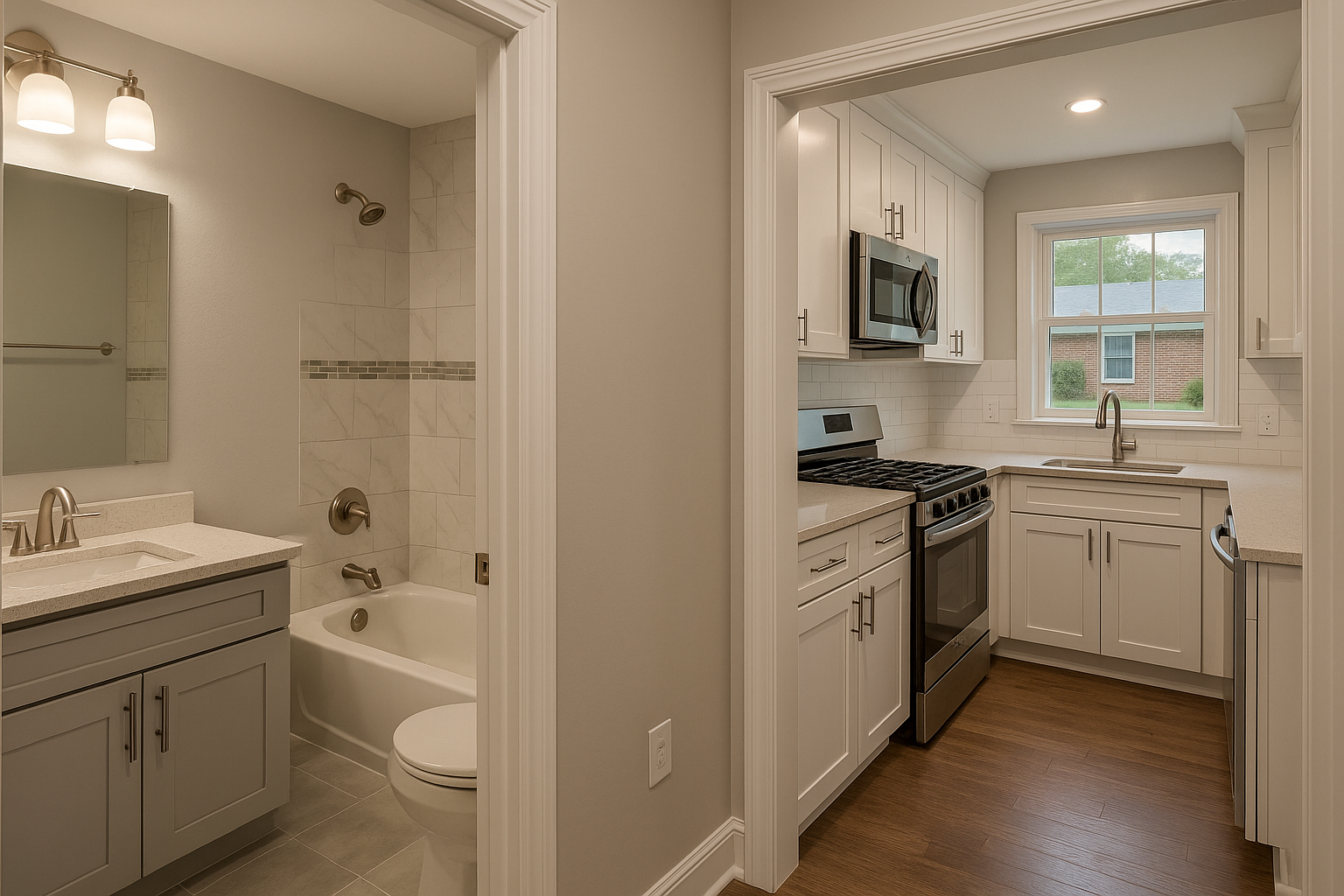
Planning a kitchen or bathroom remodel
Successful remodeling starts with understanding what is not working in your current space. In a kitchen, you may need more usable counter space, improved storage, updated surfaces, or lighting that supports cooking and gathering. In a bathroom, priorities might include a more practical shower, refreshed tile, improved ventilation, safer access, or a vanity that better fits your routine. Listing your priorities helps a contractor focus the conversation on changes that matter most.
Consider how long you plan to stay in your home, which features are essential, and where you have flexibility. Some homeowners prefer a focused update, while others want to change the layout or coordinate several improvements at once. A contractor can explain how the existing plumbing, electrical systems, walls, and finishes may affect the available options. The final plan should reflect your priorities, the home’s conditions, and a budget you are comfortable with.
What to expect when working with a local contractor
After an initial conversation, the contractor may review the space, take measurements, and discuss possible materials and finishes. Before work begins, request a written proposal that explains the project scope, expected sequence, payment terms, and how changes will be handled. Clarify who will order materials, coordinate trades, protect nearby areas, and keep you informed. Ask about expected work hours and how access to the kitchen or bathroom may be affected while construction is underway.
For a more useful estimate, share your budget range and design preferences early. If you are comparing proposals, check that they describe comparable work and materials rather than looking at the total price alone. You can also ask for references or examples of relevant work and verify any applicable licensing and insurance. Discuss permits and inspections with the contractor before work starts; requirements can depend on the project and local rules.
Choosing improvements that fit your home
Material choices influence appearance, maintenance, durability, and cost. Kitchen surfaces should suit the way you cook and clean, while cabinetry and storage should make frequently used items easy to reach. In bathrooms, choose finishes and fixtures with moisture and everyday use in mind. If accessibility is a concern, discuss options such as easier-entry showers, supportive grab bars, or improved lighting as part of the design rather than waiting until construction is underway.
- Make a short list of must-haves and optional upgrades.
- Ask how proposed materials perform and what care they require.
- Confirm measurements, finish selections, and product availability before ordering.
- Set aside room in your budget for unexpected conditions behind existing walls or floors.
Preparing for the renovation
Before the project begins, remove personal items from the work area and agree on how the contractor will protect floors and nearby rooms. For kitchen work, plan how you will manage meals if appliances or counters are temporarily unavailable. For a bathroom renovation, ask which facilities will remain usable and whether the schedule includes periods when the room cannot be accessed. Confirm how debris will be removed and how the work area will be cleaned at the end of each day.
During construction, keep communication open and raise questions when they come up. Changes to the plan may affect both cost and timing, so request written approval before added work proceeds. At completion, walk through the finished space with the contractor, review operation of fixtures and appliances, and ask about care instructions and warranty information. These steps help you understand the completed work and know whom to contact if a concern arises.
Finding the right fit in White House
Working with a contractor who serves White House can make it easier to arrange a conversation, coordinate site visits, and discuss the needs of your home. A good fit is not only about design; it also means clear communication, a detailed scope, realistic scheduling, and respect for your home while work is underway. Compare your options, ask practical questions, and choose a team whose approach matches the project you have in mind.
Remodeling Homes in White House
White House offers residents a community setting within reach of the wider Middle Tennessee region. Homes and household needs vary, so a kitchen or bathroom project is best planned around the specific space, the people who use it, and the improvements that will matter most over time. Thoughtful updates can make daily routines easier, improve storage or accessibility, and refresh rooms that see frequent use.
For local homeowners, starting with a clear project outline can make it easier to speak with contractors serving White House and compare proposals. Consider how construction will fit your schedule, what parts of the home need to remain accessible, and which finishes make sense for your maintenance preferences. A contractor can assess the existing space, explain practical design choices, and help you understand the steps involved. With careful planning and open communication, a remodel can be tailored to your home rather than relying on a one-size-fits-all approach.
Frequently Asked Questions About Bathroom & Kitchen Remodel in White House, Tennessee
What should I plan before starting a kitchen or bathroom remodel in White House?
Start by listing what is not working, what you want to improve, and which features matter most. Measure the space and gather inspiration, but be prepared for the final layout and material choices to depend on the home’s existing plumbing, wiring, and structure. Discuss the project scope, schedule, and how changes will be handled before work begins. Also check which permits or approvals may apply to your planned work.
Can I stay in my home while my kitchen is being remodeled?
Often, households remain at home during a kitchen remodel, but expect temporary disruption. Depending on the work, you may lose access to the kitchen, water, or appliances for periods of time. Ask which areas will be affected and how the work will be sequenced. Setting up a simple temporary food-preparation area, protecting belongings, and agreeing on daily cleanup and access expectations can make the project easier to manage.
How can a bathroom remodel help address moisture problems?
A remodel can provide an opportunity to inspect visible surfaces and fixtures for signs of leaks or moisture damage, but new tile alone will not solve an underlying water problem. The source should be identified and addressed, and appropriate waterproofing should be installed in wet areas. Consider whether the ventilation is adequate for the room and how it will be used. Discuss any existing dampness, staining, or musty odors before finishes are selected.
What affects the cost of a kitchen or bathroom renovation?
The cost depends on the project’s size and scope, material and fixture selections, and whether the layout changes. Moving plumbing, electrical, or ventilation components can add work, as can repairs uncovered after existing finishes are removed. A useful estimate should describe what is included, identify allowances or exclusions, and explain how changes are approved. Compare estimates by scope and materials, not just by the final number.
How do I choose finishes that will hold up in a busy bathroom or kitchen?
Choose materials based on how the room is used, how much maintenance you are willing to do, and how well each option handles water, heat, spills, and frequent cleaning. Ask about care instructions, durability, and whether a product is suitable for the specific surface or location. Coordinate samples under the room’s lighting before committing, and confirm that fixtures, cabinets, and finishes work with the planned layout and installation details.