Bathroom Remodel Contractors Serving Lynchburg, Tennessee
A bathroom remodel can make everyday routines more comfortable while helping your home work better for your household. In Lynchburg and nearby Moore County communities, homeowners can start by contacting contractors who serve the area, describing the work they have in mind, and arranging a conversation about the room, budget, and schedule. A local service-area contractor may be able to discuss options for updating a shower or tub, replacing fixtures, improving storage, or refreshing worn finishes. The right scope depends on your home and priorities, so it helps to gather questions before requesting an estimate.
You do not need a finished design to begin. Share what is not working, whether you are planning a small update or a more complete renovation, and any timing considerations. Ask how the contractor handles site visits, written estimates, material selection, preparation, and communication during the project. Comparing clear proposals can help you understand what is included and make a considered choice. Whether you live in town or outside the center, confirm that the contractor can travel to your property and discuss any project-specific requirements before work is scheduled.
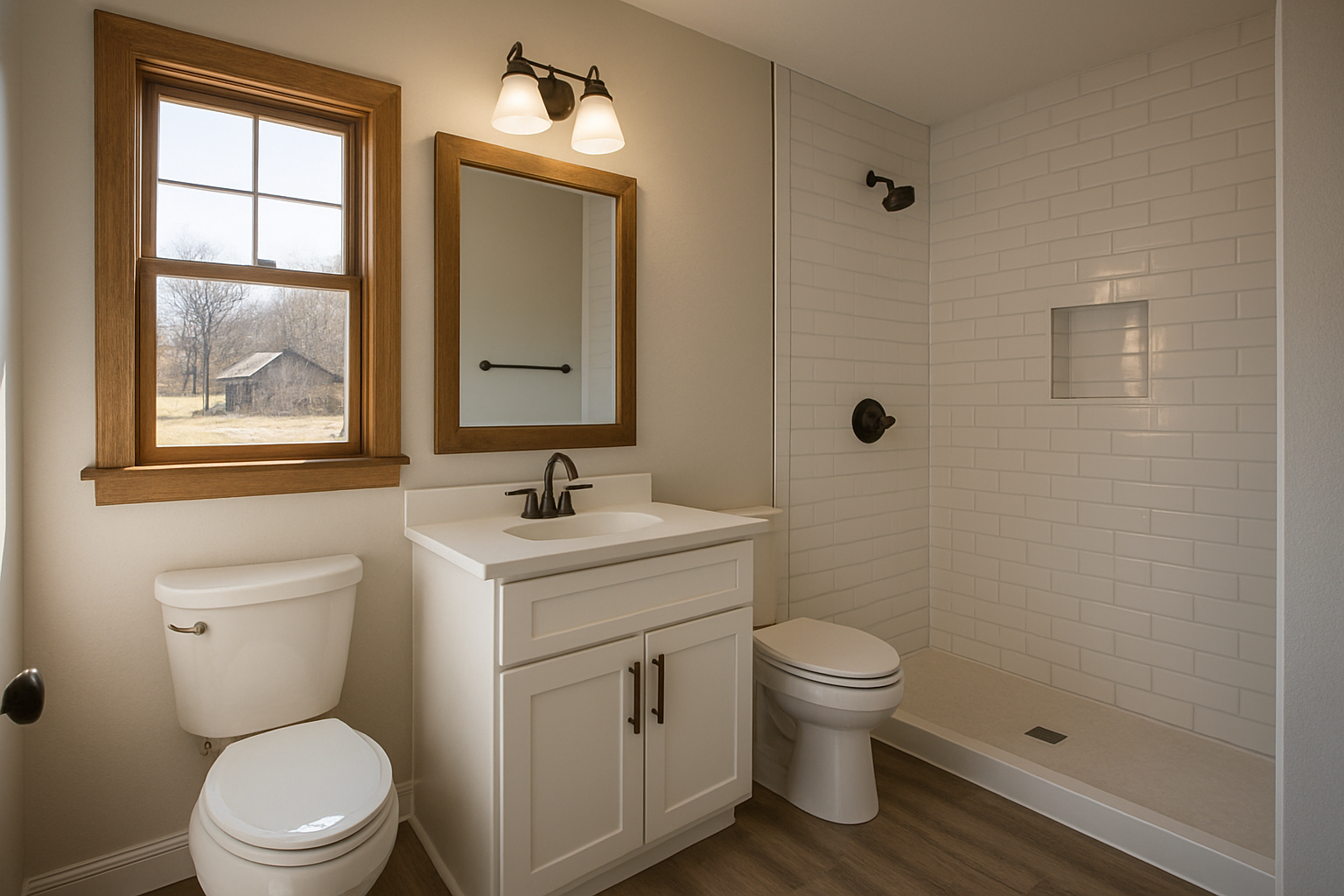
Planning a bathroom remodel in Lynchburg
Bathroom remodeling begins with deciding what you want the finished room to do better. Some homeowners focus on replacing an outdated tub or shower, while others want easier-to-clean surfaces, improved lighting, more useful storage, or a refreshed look. Listing your priorities helps a contractor recommend a practical scope instead of assuming that every fixture or finish needs to be replaced. It also gives you a useful basis for discussing cost and timing.
To find bathroom remodel contractors serving Lynchburg, contact providers that identify Moore County or the surrounding area as part of their service region. When you make an inquiry, describe the property location in general terms, the age or condition of the bathroom if known, and the work you are considering. Ask whether an in-person assessment is needed before a detailed estimate can be prepared. Because homes and project conditions vary, a site visit may be important for reviewing access, existing plumbing, ventilation, and the condition of surfaces.
What to discuss with a contractor
A useful first conversation covers both your goals and how the work will be managed. Ask what tasks are included, what materials or fixtures are allowances or still to be selected, and which items could change the estimate. It is also sensible to ask who will perform the work, how updates will be communicated, what preparation is expected from you, and how the bathroom will be accessed while the project is underway. Request written details so you can review the proposed scope at your own pace.
- Identify must-haves, optional improvements, and a comfortable budget range.
- Ask about the expected sequence of work and how schedule changes are handled.
- Clarify removal and disposal, surface preparation, and cleanup responsibilities.
- Discuss ventilation, moisture management, lighting, and storage where relevant.
- Confirm that the contractor serves your specific location and ask about applicable credentials, insurance, and permits for the planned work.
Requirements depend on the work and local rules, so homeowners should ask which permits or inspections may apply rather than assume they are unnecessary. Before signing, review the written agreement, payment terms, product selections, and process for approving changes. These steps can reduce misunderstandings and help both sides begin with shared expectations.
Choosing upgrades that suit your home
A bathroom remodel can be planned in stages or handled as a broader renovation. Replacing a vanity, faucet, or flooring may address visible wear, while a layout change or plumbing update can involve more coordination. A contractor can explain how choices affect the scope, and you can prioritize improvements that support daily use. For example, storage suited to your household can reduce clutter, while durable, easy-care finishes may simplify routine cleaning. If accessibility is a concern, discuss options such as safer entry, supportive features, and clear movement space; the best solution depends on the room and the needs of its users.
Material selection is another practical part of the process. Ask how a proposed product performs in a humid room, how it should be maintained, and whether its availability could affect the schedule. Bring inspiration images if they help explain your preferences, but let the contractor know which features matter most. Clear priorities make it easier to compare alternatives when a preferred product does not fit the budget or project conditions.
Making local service easier to arrange
For residents in Lynchburg and nearby rural areas, confirming service coverage early is especially helpful. Ask whether travel to your property is included in the estimate process, what information is needed before a visit, and how the contractor will coordinate arrival and access. If you are outside the town center, provide the location details directly when requesting service; do not rely on a general service-area description alone.
Before work begins, agree on a start window, the expected working hours, household preparations, and a point of contact. Keep a record of selections and approved changes, and raise questions promptly if the work differs from the agreed scope. With careful planning and a contractor whose service area includes your home, a bathroom remodel can be better organized around your budget, routine, and long-term needs.
Bathroom Remodeling for Lynchburg Homes
Lynchburg is a small community in Moore County, with homes in town and properties in the surrounding area. That mix means a remodeling project can have different considerations from one home to another, including the room’s existing layout, access for materials, and the condition of older finishes or fixtures. A contractor serving the area can discuss those details with you and help shape a project around your household rather than a one-size-fits-all plan.
For local homeowners, the first step is to confirm that a contractor travels to your specific property and to arrange a conversation or assessment. Sharing your goals, budget range, and preferred timing can make that initial discussion more productive. Whether you want a modest refresh or a more extensive bathroom renovation, clear estimates and a written scope help you compare options. Discussing practical details early—such as project access, product availability, and how the bathroom will be used during construction—can make it easier to plan a remodel that fits life in Lynchburg and nearby communities.
Frequently Asked Questions About Bathroom Remodel in Lynchburg, Tennessee
What should I decide before starting a bathroom remodel in Lynchburg?
Start by listing what is not working in the room, such as limited storage, poor lighting, worn surfaces, or a difficult-to-use shower. Then decide which changes matter most and whether you want to keep the existing layout. Choosing priorities early helps guide material selections and keeps planning focused. It is also useful to gather inspiration photos and note preferences for finishes and fixtures. A contractor can review the room and discuss which ideas fit its existing conditions.
What affects the cost of a bathroom remodel?
The overall cost depends on the room’s size, the materials and fixtures selected, and how much work is involved. Keeping plumbing and fixtures in their current locations may involve less plumbing work than changing the layout. Hidden problems discovered after surfaces are opened, such as water damage, may also affect the scope. Before work begins, ask for a written estimate that explains included tasks, selected materials, and how changes or unforeseen conditions will be handled.
Can I replace my bathtub with a walk-in shower?
A bathtub-to-shower conversion may be possible, but the best approach depends on the room’s dimensions, plumbing, floor condition, and how the bathroom is used. Consider whether you need a tub for bathing children or prefer easier shower access, and discuss storage, seating, grab bars, and slip-resistant surfaces if relevant. A remodeler can inspect the existing space and explain practical options. Confirm the shower design, materials, and any plumbing changes before approving the project scope.
Do I need a permit for a bathroom remodel in Lynchburg?
Permit requirements can depend on the type and extent of the work, particularly when plumbing, electrical systems, or structural elements are changed. Replacing finishes may be treated differently from moving fixtures or altering walls. Before work starts, describe the planned scope to the appropriate local building authority and ask which permits or inspections apply. You can also ask your contractor to clarify who will handle permit applications and coordinate required inspections, so responsibilities are clear.
How can I prepare my home for a bathroom remodel?
Ask the contractor which areas will be used for access, material storage, and debris removal, then clear those paths and move personal items from the bathroom. Discuss dust protection, work hours, water shutoffs, and how household members can use another bathroom while the room is unavailable. If the bathroom is the only one in your home, raise that concern during planning and ask how the work sequence may affect access. Keep pets and children away from the work area.